The first five years of life lay the foundations for a child’s future. During these years, children develop the skills, relationships and sense of security that shape their health, wellbeing and opportunities throughout life.
by UNICEF Australia and ARACY
Early childhood education and care (ECEC) services play a critical role in supporting this development, providing safe, nurturing environments where children can learn, build relationships and thrive.
Yet climate change is creating new challenges for children during this important period.
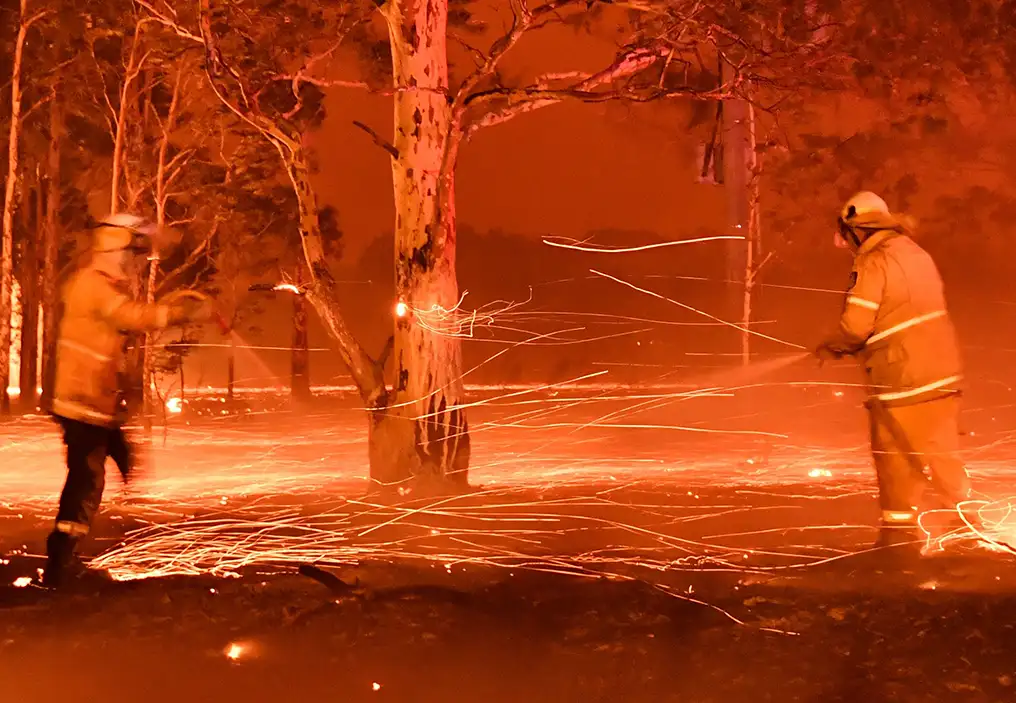
Floods, bushfires, cyclones and extreme heat can disrupt access to early learning, interrupt routines and relationships and affect children’s sense of safety and stability. While these disruptions may be temporary, their impacts can be felt during the years that matter most.
That is why climate change is not only an environmental challenge. It is also a child development challenge.
Many early learning services were not designed for a climate that is rapidly changing. As temperatures rise and extreme weather events become more frequent, there is a growing need to ensure ECEC services can continue supporting children and families through periods of disruption, recovery and adaptation.
This challenge is particularly important at a time when Australia is pursuing significant early years reform while also investing in climate adaptation. Too often, these conversations occur separately. But for young children and families, they are deeply connected.
These issues are explored in 800,000 Days of Learning at Stake, a new State of Australia’s Children Evidence to Action Brief developed by ARACY and UNICEF Australia and supported by Minderoo Foundation.
Drawing on Australian data and evidence, the report argues that ECEC services should be recognised as essential community infrastructure and prioritised in climate adaptation planning. It highlights opportunities to strengthen resilience through better planning, climate-adaptive design, targeted investment and greater support for communities facing the highest climate risks.
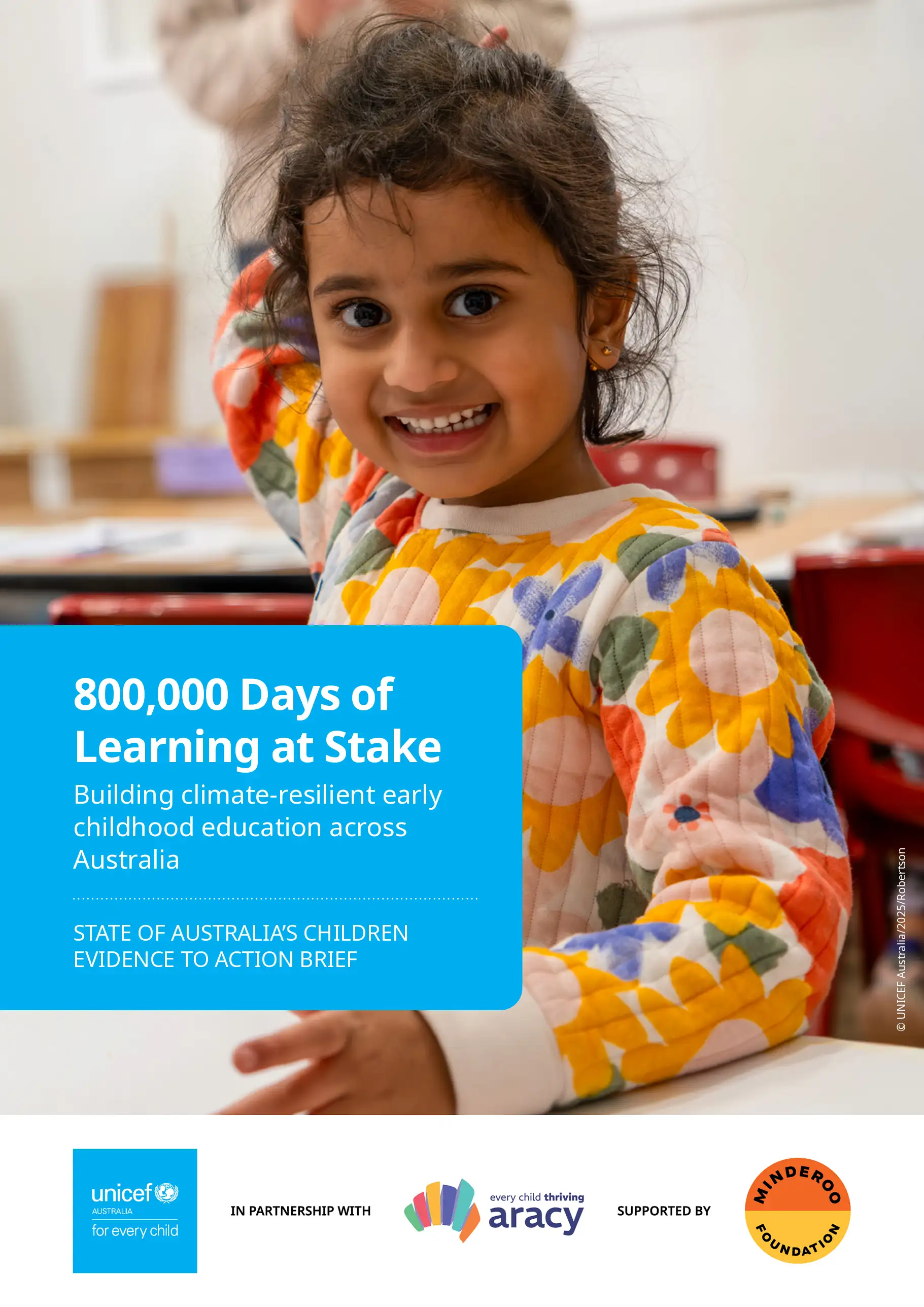
800,000 Days of Learning at Stake: Building climate-resilient early childhood education across Australia
The 800,000 Days of Learning at Stake: Building Climate-Resilient Early Childhood Education Across Australia report explores how climate change and climate-related hazards are impacting children’s access to early learning in Australia, and the role climate-resilient ECEC infrastructure can play in protecting children’s wellbeing, learning and development.
The report also shows that climate-related disruption is already affecting the services young children and families rely on every day.
In 2025 alone:
- One in six ECEC services experienced closures linked to climate-related hazards.
- More than 11,000 service closure days were recorded nationally.
- Together, these disruptions contributed to an estimated 800,000 days of lost early learning for Australian children.
These figures demonstrate that climate change is not simply a future risk. It is already affecting children’s access to consistent learning environments during a period of life that is critical for development and wellbeing. For families and communities, service disruptions can also create wider challenges, affecting work, care arrangements and access to trusted sources of support.
The choices we make today will shape the childhoods of tomorrow. As Australia continues to invest in both early years reform and climate adaptation, there is an opportunity to bring these agendas together.
Protecting children’s access to early learning in a changing climate should be considered part of building the strong foundations every child needs to thrive.
Recognising ECEC services as essential community infrastructure is an important step. By embedding climate resilience into planning, investment and service design, governments, providers and communities can help ensure these services remain safe, accessible and able to support children and families when they are needed most.
The challenge is clear, but so is the opportunity.
By including early childhood education and care in climate adaptation planning today, Australia can help safeguard children’s learning, support families and strengthen community resilience for generations to come.
Subscribe to our newsletter
Want to stay in the loop on our Communities and Natural Ecosystems work, alongside our work on Impact Missions and Gender Equality? Subscribe now.
By signing up with your email, you agree to Minderoo Foundation’s Privacy Policy.