A baby’s first connection to Country can shape a lifetime of belonging. Through Welcome Baby to Country, families are welcomed into community and support, creating moments of culture and connection that ripple across generations.

Emerging from the smoke, a mother holds her child as they each beam with a smile.
The pair are acknowledged by Whadjuk elders, including Aunty Viv who burns a native branch, and Uncle Mort who blesses the child in language.
This is the baby’s first introduction to the land of Whadjuk Noongar Boodja. The first time they place their feet on country, grounding them in culture – both literally and figuratively.
The ceremony is Welcome Baby to Country. An acknowledgement of an infant’s connection to the traditional lands on which they are born and a celebration of their arrival into community.
At the Champion Centre in Armadale, the seventh Welcome Baby to Country takes place, though the ritual predates this moment by thousands of years, recognising milestones across a lifespan.
Each baby is given a birth certificate tied to the Noongar season in which they were born, along with a special totem plant from that season to identify with, following traditional customs and fostering a lifelong connection to Country that can be nurtured and cared for over time.
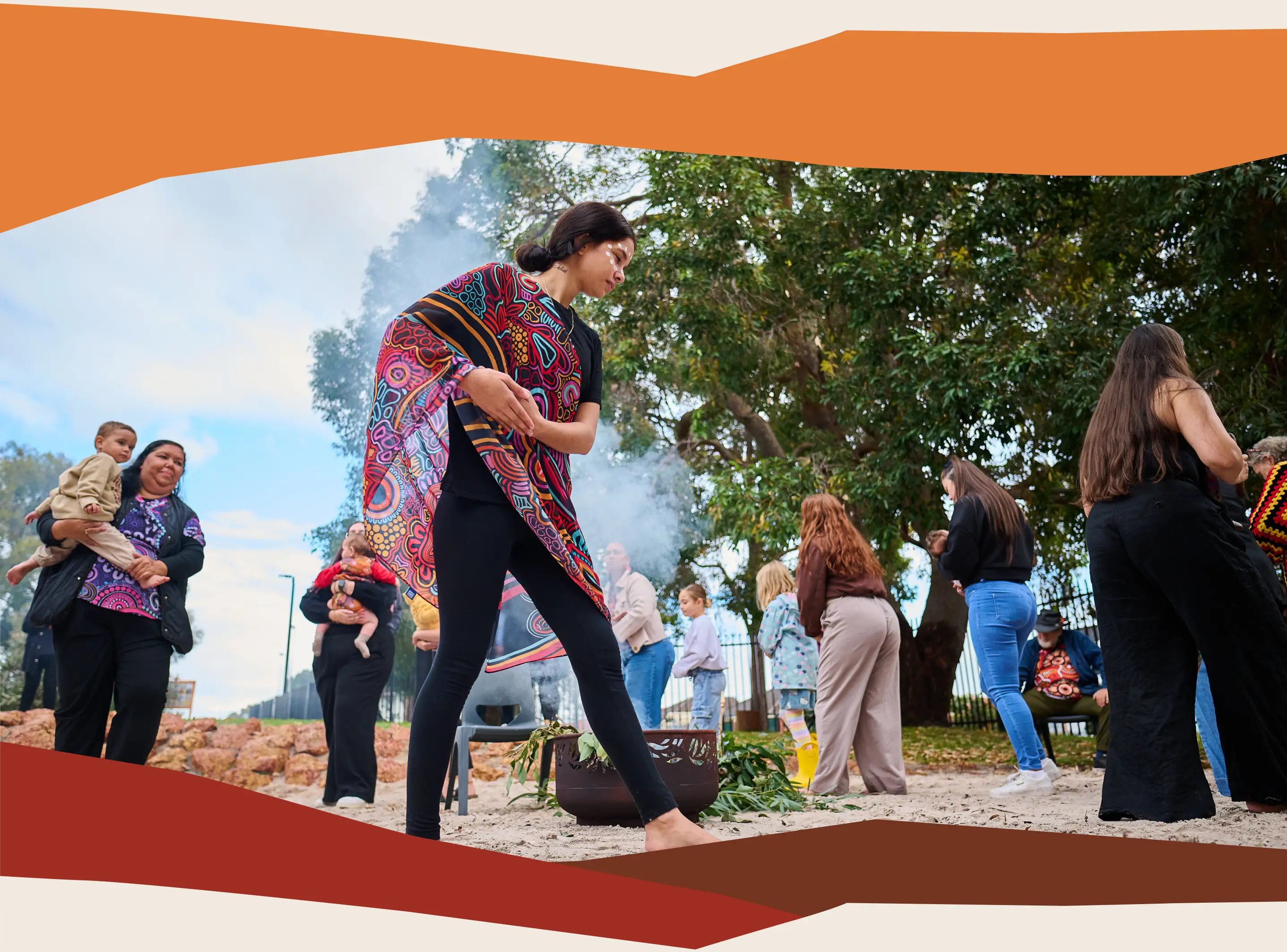
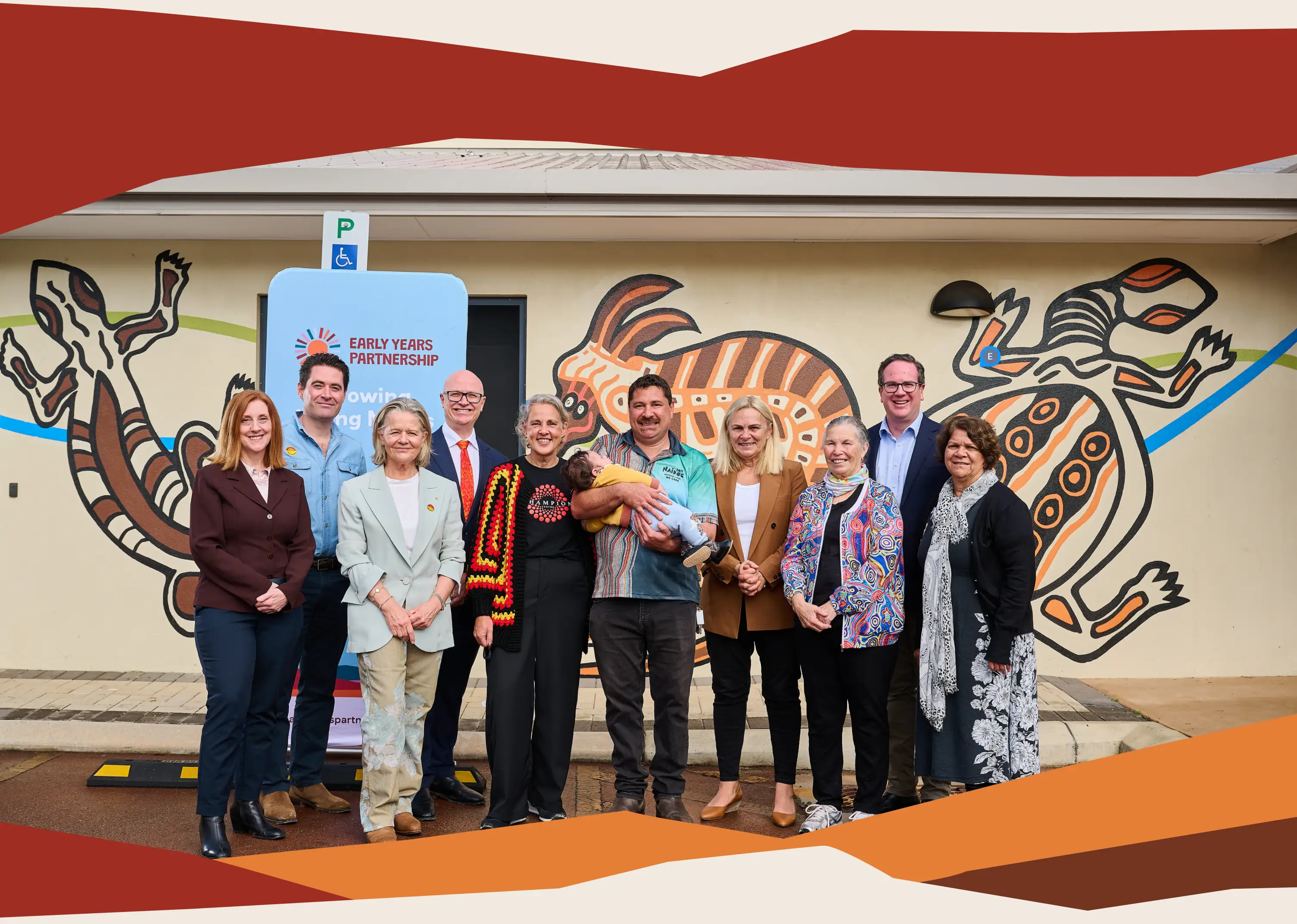
After nearly two decades of seeking a way to honour this ancient practice of ceremony while helping ground children in culture and identity from their earliest years, the Welcome Baby to Country initiative was born through the City of Armadale’s Champion Centre, supported by the Early Years Partnership (EYP).
What began as a long-held aspiration has grown into a thriving cultural moment. Held twice a year, the ceremony now welcomes up to 60 babies and their families from the local community, Aboriginal and non-Aboriginal alike, many of whom are already connected to the Champion Centre or begin building those connections through the experience.
At the heart of Welcome Baby to Country is something deeper: identity, belonging and the continuation of culture.
For many families, it offers a rare moment of joy, cultural grounding and celebration. A chance to pause and connect to Country and community, often amid difficult circumstances.
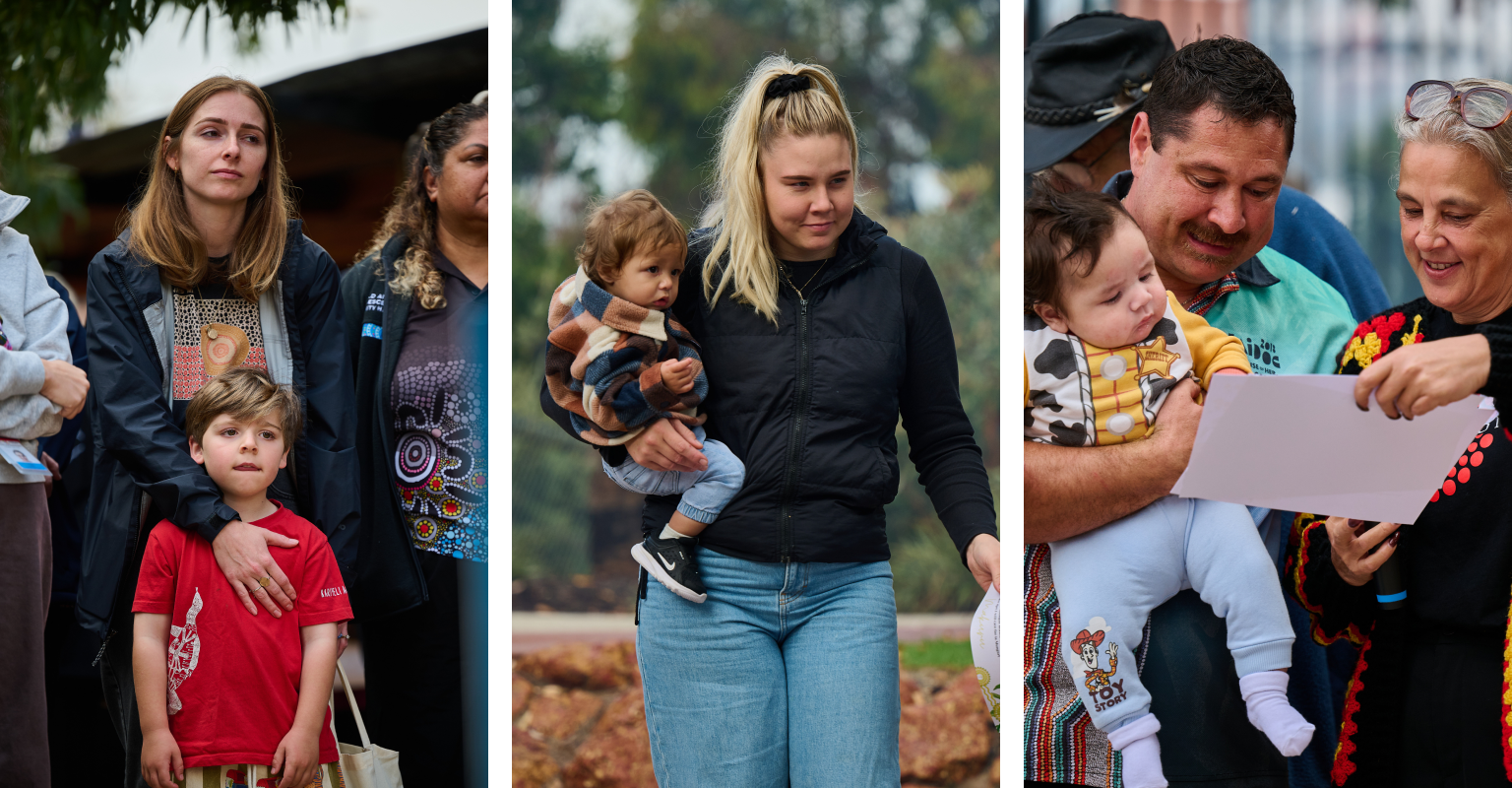
– Jodie Clarke, Aboriginal Development Lead, Champion Centre (City of Armadale).
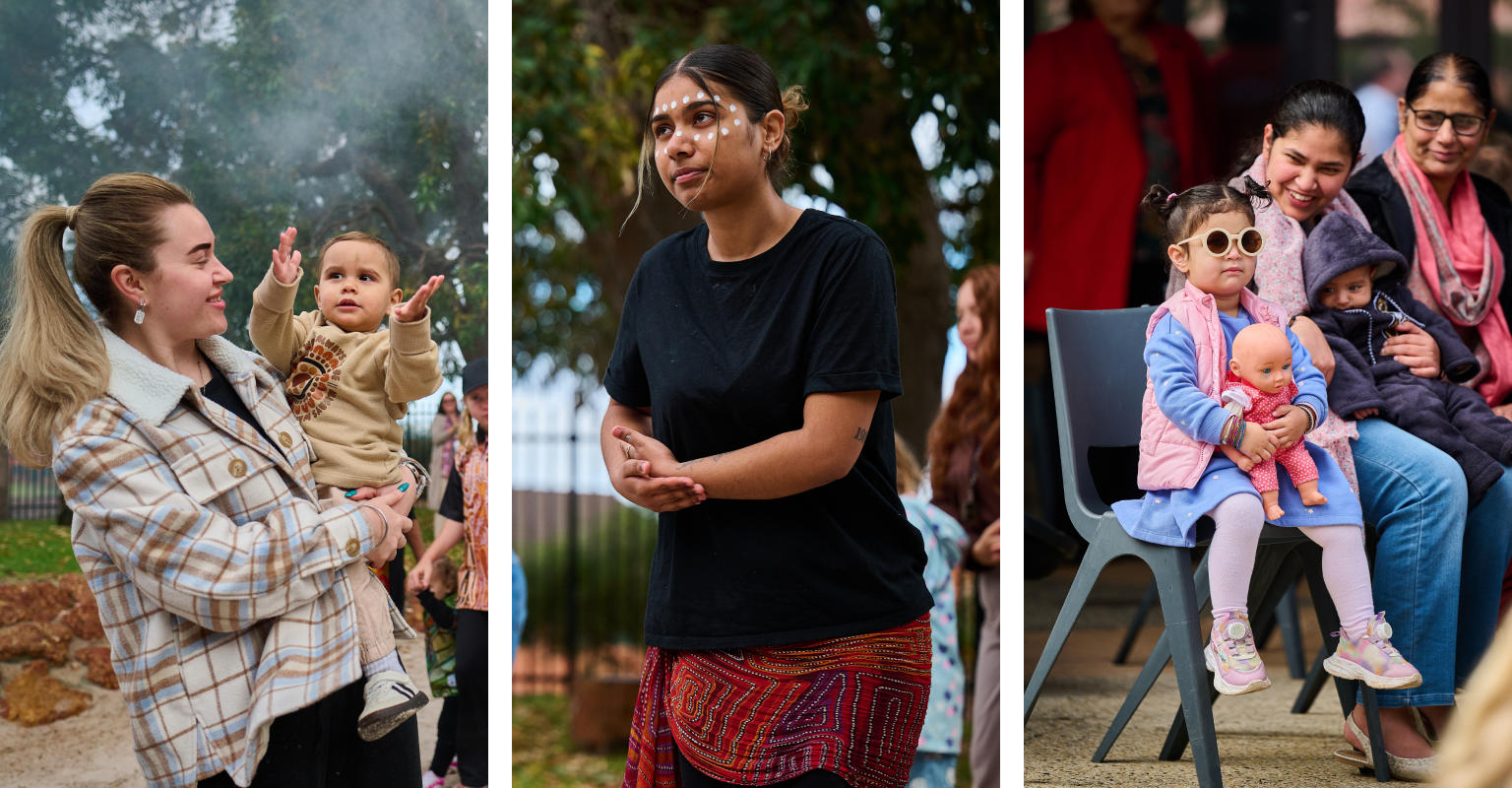
Once the cultural ceremony concludes, families gather inside the Champion Centre, where the sense of connection continues. Local services and family support offer everything from baby photoshoots and onesies to immunisations and health checks, while programmes and activities help families begin building relationships with support services for the early years.
Partners such as The Fathering Project are among those present, creating opportunities for fathers to build confidence and connection with their children from the earliest years.
In this way, the morning gently opens the door to ongoing connection and support.
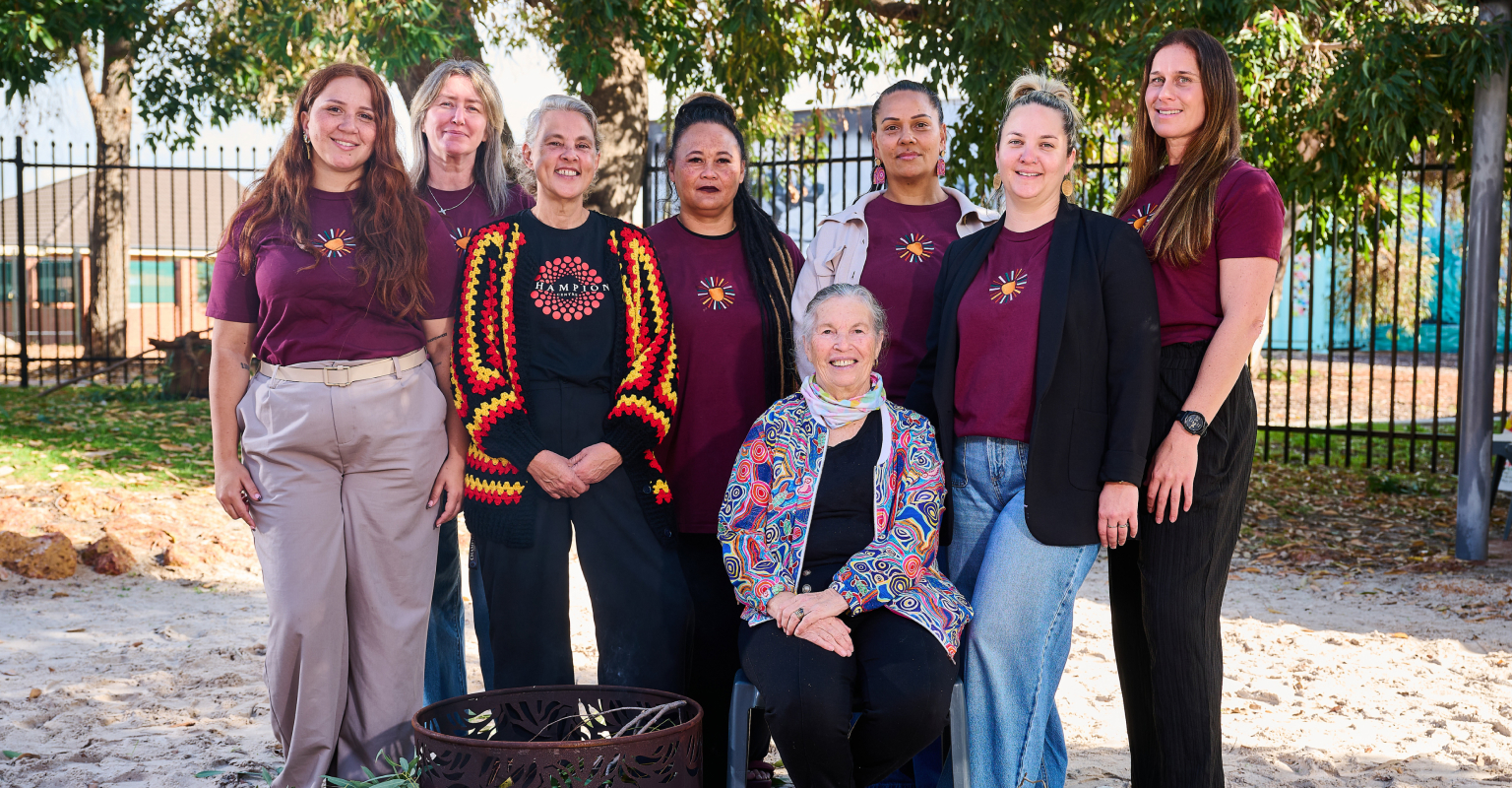
Jodie Clarke, Aboriginal Development Lead at the City of Armadale’s Champion Centre, says Welcome Baby to Country has become a trusted pathway into broader community support, with around 70 per cent of families returning after discovering services and programmes they may not have otherwise accessed – from playgroups and after-school care to wider early years support.
Yet for Jodie, the impact of Welcome Baby to Country is not measured by attendance or engagement figures. It is found in what those moments make possible: stronger connection to culture, deeper community belonging, and families feeling supported during one of the most formative stages of a child’s life.
The early years are a particularly critical period in a child’s development, laying the foundations for lifelong learning, health and wellbeing. That is why establishing cultural connection early is so important, and why Welcome Baby to Country plays such a vital role in nurturing it for the Armadale West community.
Key to the programme is its culturally led model. The ceremony is led by elders, grounded in Whadjuk Noongar cultural practice, and supported – rather than controlled – by institutions, recognising that meaningful outcomes are strongest when culture leads.
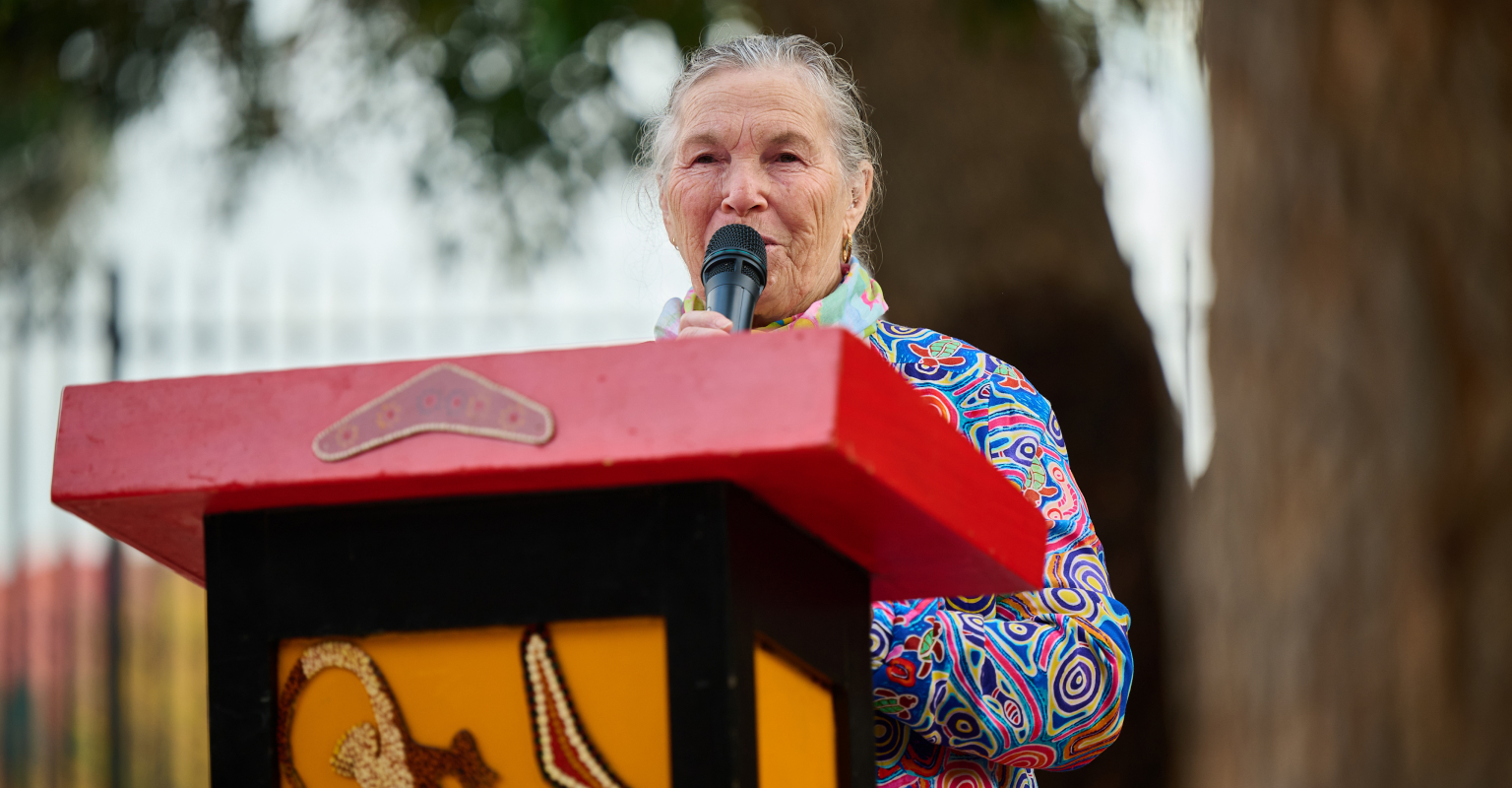
– Aunty Viv, Elder
While similar approaches have begun emerging in other communities, including another EYP communities in Katanning and Bidyadanga, Jodie stresses that this can never be a one-size-fits-all model.
While ceremony and connection to Country extend across communities, each place will have its own way of nurturing cultural connection in a way that reflects local customs, traditions and community needs.
For Jodie, the most important impact Welcome Baby to Country is creating is intergenerational. She now sees children who once came through Champion Centre programmes returning as adults to welcome children of their own. To her, that is success: seeing cycles of trust, belief and cultural connection continue across generations.
And while babies may not remember the ceremony firsthand, its meaning often lives on through story.
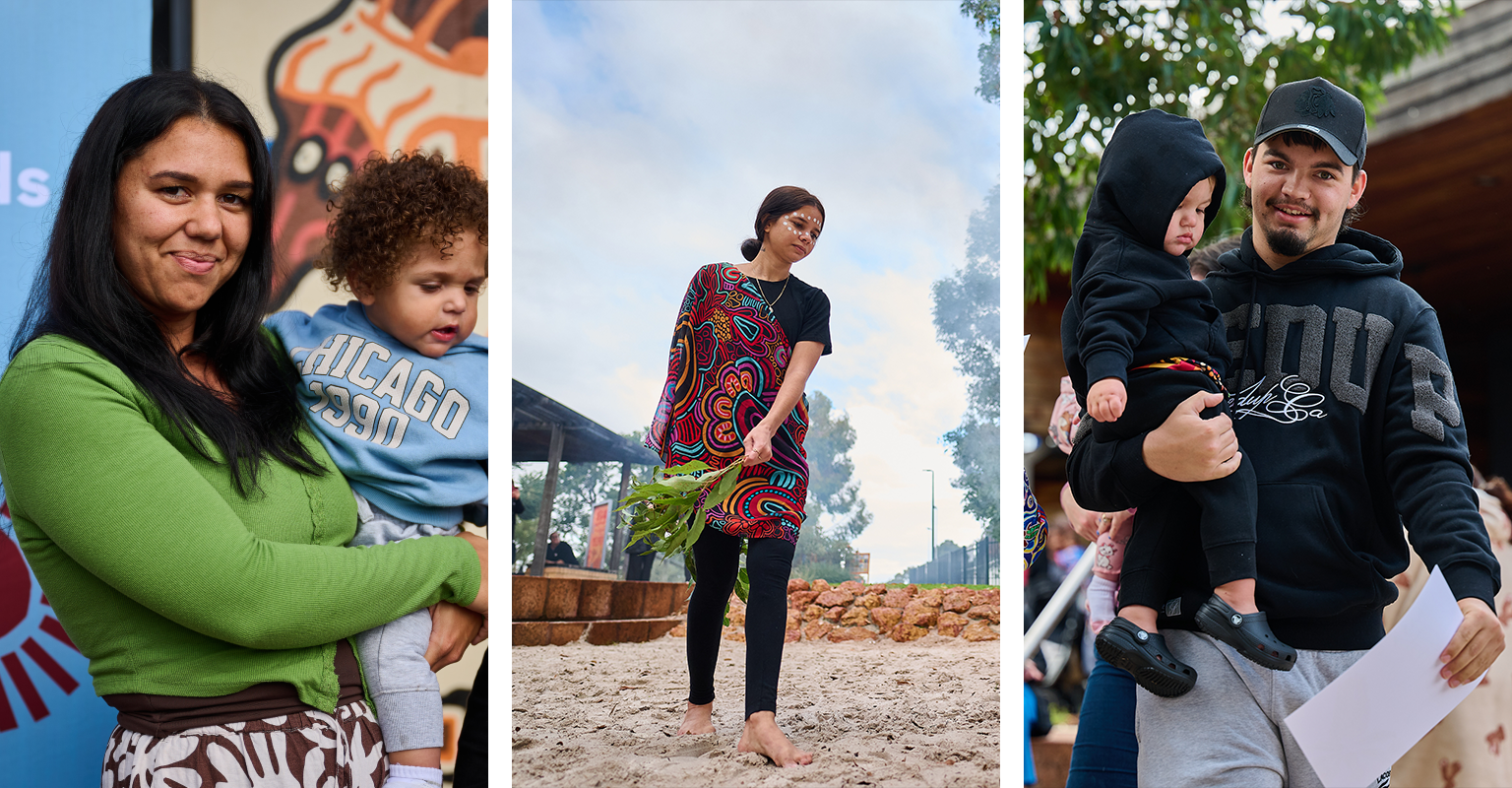
Jodie reflects on her own daughter, now 27, who still knows the story of her naming ceremony: why her father chose her name, who stood beside her, and the significance of being welcomed in culture. Those moments, passed down through family and community, become part of identity itself.
That continuity is the true measure of success according to Jodie.
A baby welcomed through smoke today may not remember the moment firsthand. But one day, a parent, grandparent or elder may point to a photograph and retell the story of the day they first felt country and culture.
In this way, Welcome Baby to Country is more than a ceremony, but a moment where identity and culture are reinforced across generations.
It becomes a thread between past, present and future – from before we are here to the Dreaming – grounding children in culture and community long before they understand it themselves.
And perhaps most importantly, it helps ensure those same children one day pass that sense of belonging on to the generations that follow.
Stay in the loop
Want to stay in the loop on our Communities, Gender Equality, Natural Ecosystems, and Impact Mission work?
By signing up with your email, you agree to Minderoo Foundation’s Privacy Policy.