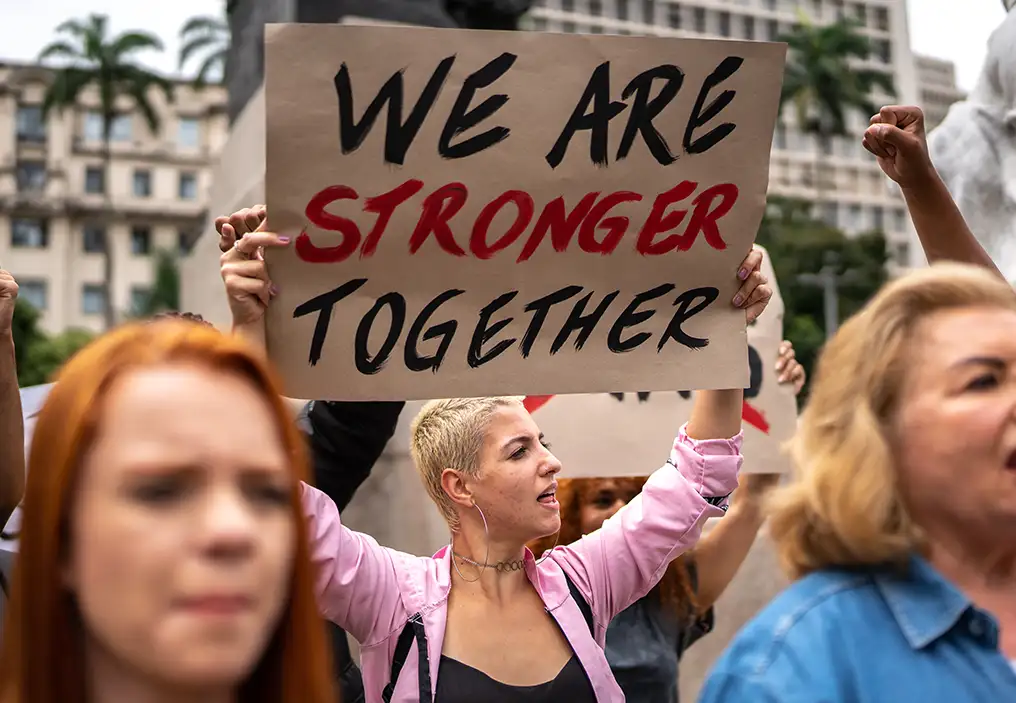
With Australia hosting Women Deliver 2026, there is a pivotal opportunity to shape progress on gender equality at a time when it is perhaps needed most.
Australia is a pragmatic nation.
We are not often the loudest voice on the global stage, nor are we driven by accolades and recognition. Instead, we tend to focus on steady, practical progress.
Gender equality is one of the clearest examples of this approach.
When we say Australia, we are not only referring to government.
Progress in Australia has been led by the gender equality sector, historically underfunded and – in many cases – powered by women working voluntarily to advocate for their communities and push for support and recognition.
As a middle power, Australia is not always the most obvious global leader. But it has consistently been on the front foot when it comes to advancing gender equality.
From being among the first countries to grant women the right to vote and stand for parliament, to introducing mandatory reporting on workplace gender equality and taking early steps to support access to contraception, Australia has demonstrated a sustained commitment to progress. This includes being a world leader in online safety, which has protected thousands of women and girls.
Today, that commitment continues.
At a time when global progress on gender equality is slowing and in some cases reversing, Australia has maintained a clear focus on advancing equality through policy and practice. This is happening in an increasingly complex environment.
Economic pressure, rapid technological change and the impacts of climate are interconnected forces shaping the current social landscape. Together, they are reinforcing one another and reshaping how governments respond to issues like gender equality, safety and participation.
This makes the current moment more challenging, but also more important.
In 2026, Australia will host Women Deliver in Melbourne, a global convening focused on championing and advancing gender equality.
It will be the first time the conference is held in the Oceanic Pacific region, placing international attention on Australia at a time when gender equality, digital safety and climate are already live policy conversations.
Hosting Women Deliver creates a rare window of opportunity. It brings global leaders and decision-makers together, creating space to shape responses – both domestically and internationally. Increasingly, Australia’s role in global spaces is to step up and hold the line on progress.
It also strengthens alignment across partners, enabling coordinated advocacy and shared leadership on some of the most pressing challenges we face.
At its core, Women Deliver is an opportunity to build momentum and translate that momentum into meaningful progress. And it’s happening right here in our backyard.
This is a moment not only to model Australia’s progress on a global stage, but to help accelerate it through meaningful collaboration.
While government continues to play a critical role, it is supported and strengthened by a highly active gender equality sector that will use this moment to push progress even further.
Minderoo is partnering with more than 55 of these organisations and will be at Women Deliver to support our partners, bring evidence to the table and help connect their work to decision-makers.
Here are four ways Australia is shaping the push for gender equality at Women Deliver – and how we are supporting our partners to accelerate progress.
1. Online safety and platform accountability.
Technological advances, particularly artificial intelligence, are rapidly reshaping how we experience and interact in online spaces.
As safeguards are struggling to keep pace, online abuse and misinformation have become more visible, including a rise in gender-based harm.
This has brought into sharper focus a critical gap: platforms are not consistently accountable for the harms that occur on them.
At Women Deliver, there is a clear push for practical, enforceable solutions.
We are supporting partners who work on these issues day to day and on the frontlines, who are best positioned to guide solutions to improving online safety and platform accountability.
This includes strengthening regulation to establish a clear duty of care for platforms, alongside greater accountability for how harm is prevented and addressed.
In Australia, the immediate opportunity lies in the review of the Online Safety Act and related reforms.
For Minderoo, this opportunity will be met with partner-led advocacy, grounded in evidence, and supported by targeted engagement. That includes working directly with regulators, contributing research to inform policy discussions, and creating space for dialogue through roundtables and briefings that have actionable insights.
Our focus will be on strengthening existing frameworks so that responsibility is clear, consistent and enforceable.
Government has a critical role to play here, setting the baseline that enables safer innovation and more effective regulation and the public trust needed for technology to be adopted responsibly over time.
A number of our partners will be advancing this work at Women Deliver.
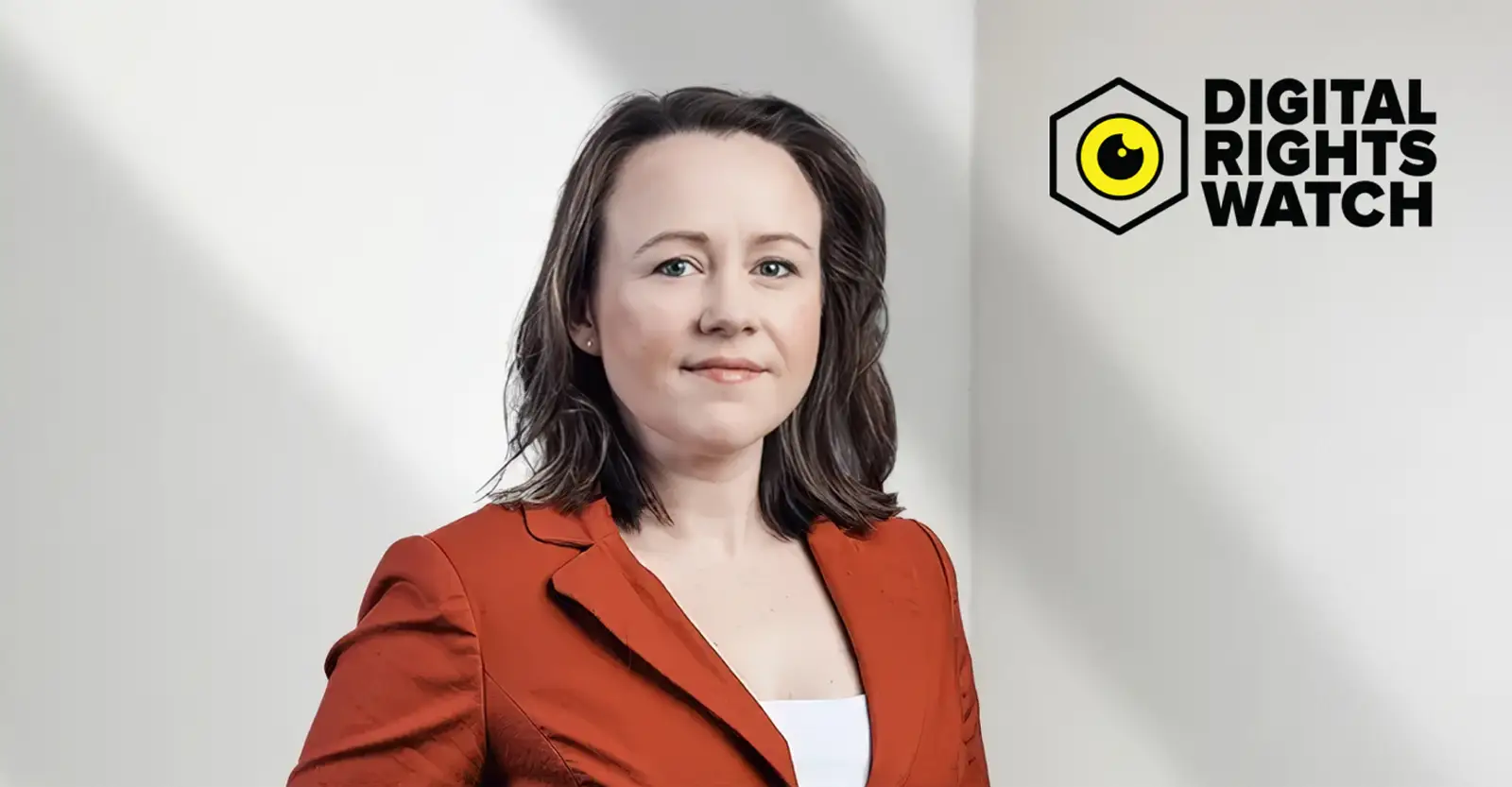
Digital Rights Watch continues to advocate for a digital environment where rights are protected, and civil society is strengthened and equipped to navigate and challenge harmful systems.
Teach Us Consent is calling for stronger action to address the role of algorithms in amplifying harmful content, including proposals to limit their influence and introduce opt-in models.
AWO Agency is supporting organisations and individuals to better understand and uphold data rights, and to strengthen compliance and accountability across digital systems.
Together, this collective effort reflects what is possible when advocacy, evidence and policy come together. When the right actors are in the room and aligned around practical solutions, meaningful progress becomes achievable.
2. Embedding gender in climate action.
Climate change does not affect everyone equally. Women and girls are often disproportionately affected by its impacts. And when climate-driven disasters strike, they can deepen existing inequalities.
Yet gender is still not consistently embedded in climate policy or disaster response.
When it is missing from leadership and decision-making, we lose critical knowledge and lived experience, and miss the insights that strengthen both community resilience and environmental outcomes.
And the impacts are wide-reaching.
As the effects of climate change intensify so too do the frequency and severity of disasters. Floods, fires and heatwaves disrupt homes, infrastructure and essential services, placing disproportionate financial and caregiving pressures on women.
Further, when disasters strike, there is often an increase in gender-based violence and child abuse, as well as diminished access to safety and support.
At Women Deliver, there will be a clear focus on ensuring gender is embedded in how climate and disaster response policy is shaped, both in Australia and globally.
This includes bringing forward evidence, elevating lived experience, and working closely with government to ensure gender is treated as a core consideration, not an afterthought.
This work is being advanced in partnership with organisations such as Gender and Disaster Australia, whose focus is on reducing gender-based harm before, during and after disasters.
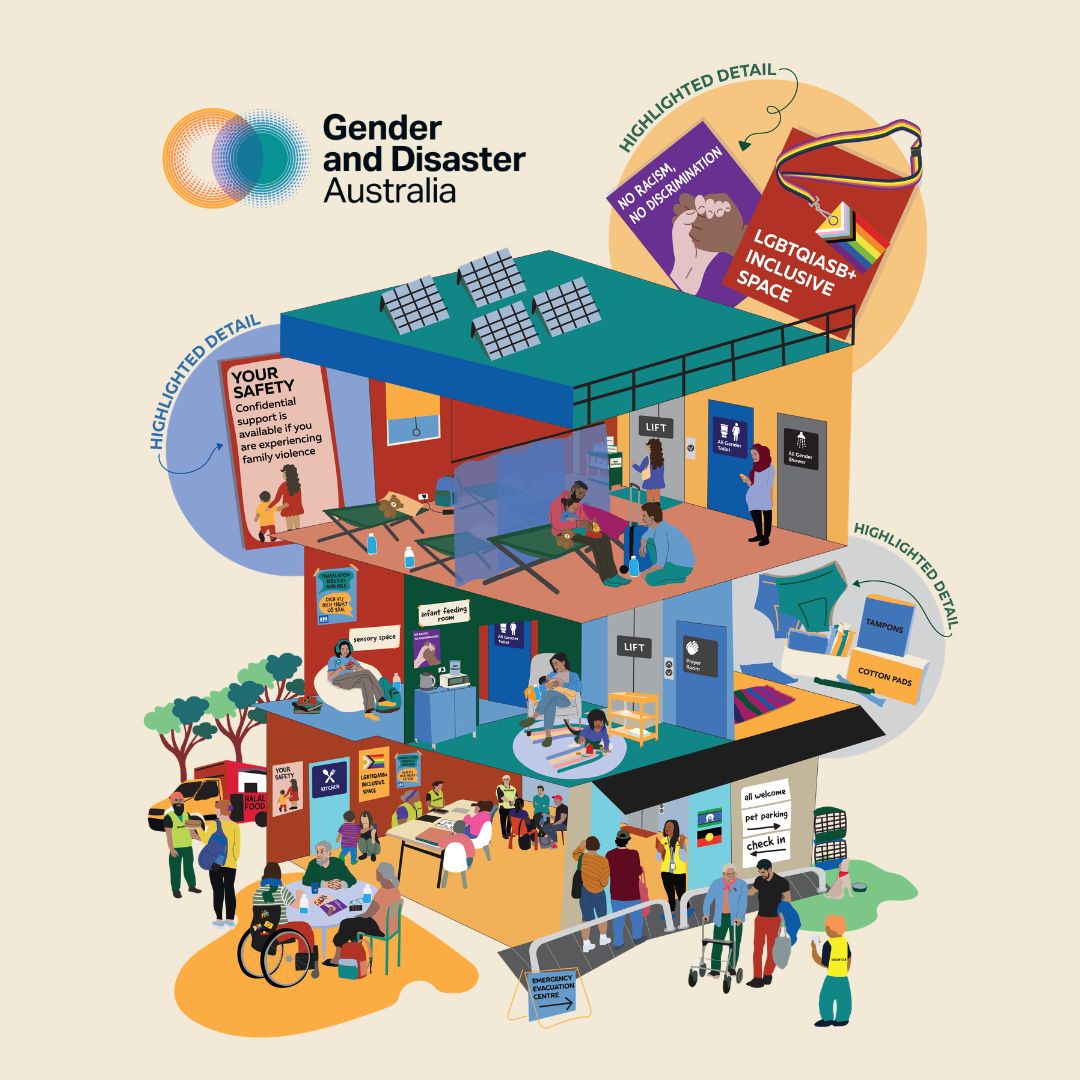
In the lead-up to COP31, Women Deliver creates space to build ambition, align priorities and strengthen the case for inclusive climate policy.
With Australia and the Pacific stepping into leadership roles, COP31 then presents a significant opportunity to integrate climate action within a broader gender equality framework.
Addressing climate change effectively means recognising who it impacts most, and ensuring those voices help shape the response.
3. Ensuring the right voices shape decisions.
Who is in the room shapes the decisions that follow. Too often, the people most affected by policy are not consistently represented in the spaces where those decisions are made.
Women Deliver provides an opportunity to shift that.
It brings together leaders, practitioners and advocates, including First Nations communities and partners from across the Pacific, to engage directly with policymakers and funders.
This is not just about representation. It is about improving the quality of decision-making.
Lived experience, local knowledge and community leadership provide insights that strengthen policy, make responses more practical and improve outcomes over time.
This is particularly important in areas like climate, digital safety and economic opportunity, where impacts are not evenly felt.
Creating space for these perspectives helps ensure responses are grounded in reality and better reflect the communities they are designed to serve.

4. Mobilising capital and philanthropy for gender equality.
Gender equality also requires more coordinated, long-term investment.
Too often, funding is fragmented, short term or difficult for community-led organisations to access.
Women Deliver provides a platform to shift how capital is deployed. This includes a stronger focus on backing women-led organisations, community-led solutions and First Nations-led organisations and partners across the Pacific, where access to long-term, flexible funding remains limited.
There is also growing recognition of the role philanthropy can play in working differently. Aligning funding, sharing learning and supporting work over the long term to unlock greater impact than isolated efforts.
Women Deliver is an important opportunity to bring the world’s leading decision-makers and changemakers into alignment, and to drive meaningful reform at a time when progress on gender equality risks backsliding.
It creates a moment where governments, non-profit movements, and civil society come together to shape what progress looks like next.
Australia’s strength lies not only in its policy foundations, but in the collective effort behind them: a system where advocacy, evidence and leadership work in tandem, and where philanthropy can help make action more ambitious.
Meaningful progress on gender equality does not happen in isolation. It happens when the right people are in the room, the right ideas are on the table, and there is a collective will to move forward together.
Subscribe for updates
Subscribe to our newsletter to keep up to date on our Gender Equality, Communities, Natural Ecosystems, and Impact Mission work.
By signing up with your email, you agree to Minderoo Foundation’s Privacy Policy.