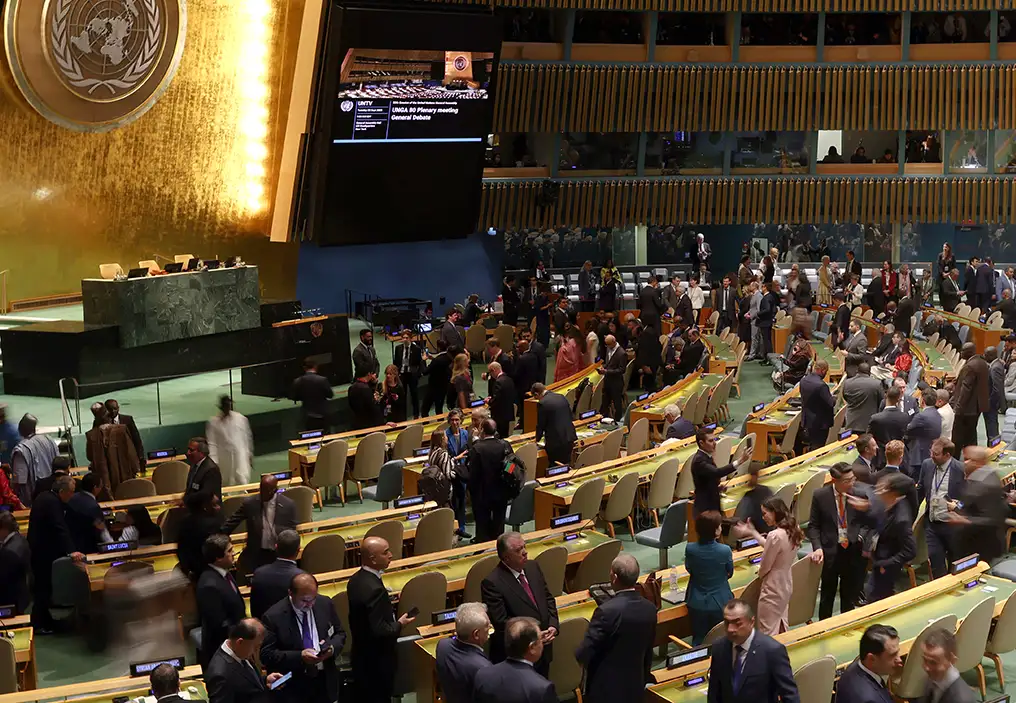
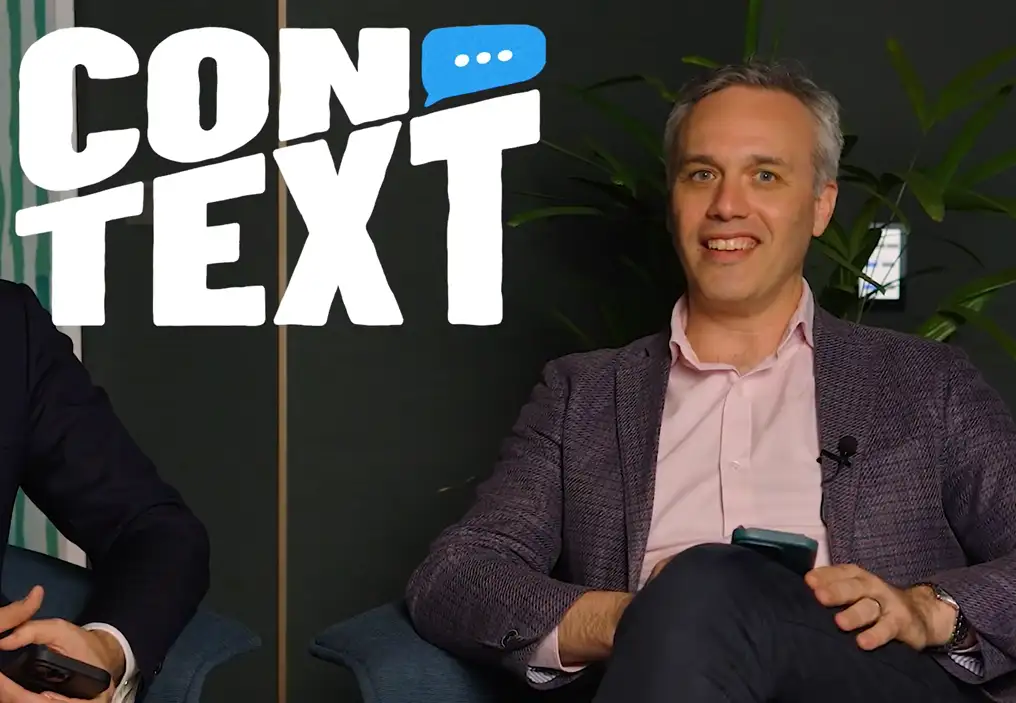
As world leaders prepare to gather in New York, we unpack five issues set to shape UNGA81, from humanitarian crises and climate challenges to emerging technologies and the future of global cooperation.
Year-round, advocacy, diplomacy and debate seek to advance solutions to some of the world’s most pressing challenges. Each September, much of that work converges in one place.
The United Nations General Assembly (UNGA).
As the main representative body of the United Nations, UNGA brings together Member States to debate global priorities, build consensus and advance collective action.
The 81st session (UNGA81) returns to New York this September at a time of significant pressure on the international system.
Ongoing conflict, rising humanitarian needs, geopolitical competition, rapid technological change and declining trust are colliding with a broader question.
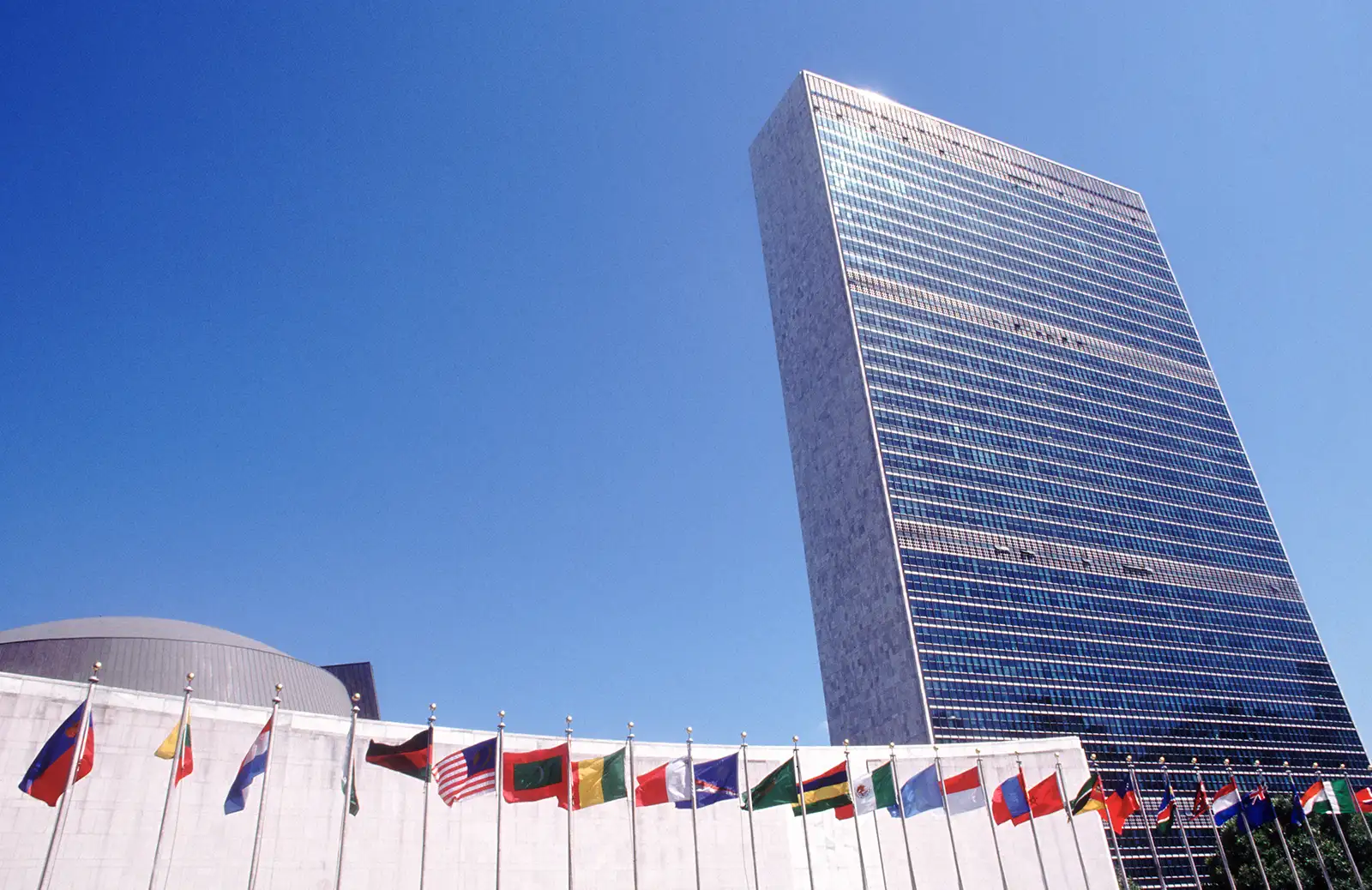
Are the institutions and systems we rely on equipped to respond effectively?
During UNGA High-Level Week, world leaders will deliver formal addresses and take part in meetings and conversations that provide opportunities to understand government positions, build coalitions, test ideas and create pathways for future action.
For Minderoo, UNGA is an opportunity to advance work across connected priorities alongside our partners to:
- Build and bring forward the evidence needed to inform action.
- Advocate for reform where it is needed most.
- Connect and convene people and organisations to improve alignment and create momentum for progress.
- Use philanthropic capital to help unlock action, particularly where speed, agility and a willingness to take risks can complement more traditional approaches.
One of the key strengths of UNGA is its ability to bring the world together to confront shared challenges collectively, rather than in isolation.
For Minderoo, this provides an important opportunity to advocate for our priorities, as well as those of our partners, including:
Ensuring systems are fit for purpose to respond to emerging challenges.
Strengthening responses to humanitarian needs and making sure humanitarian workers are protected while doing their job.
Responding to urgent climate risks, such as the cascading impacts of lethal heat and humidity.
Protecting human health from harmful chemicals associated with plastics.
Advancing approaches to emerging technologies that balance innovation with appropriate safeguards.
Here is a deeper dive into these five key areas and how we’ll be pushing for progress on them at UNGA81.
1. System reform
Recent attempts at UN-led reform, including negotiations towards a Global Plastics Treaty, have demonstrated how existing structures and processes can struggle to deliver change at the pace and scale required.
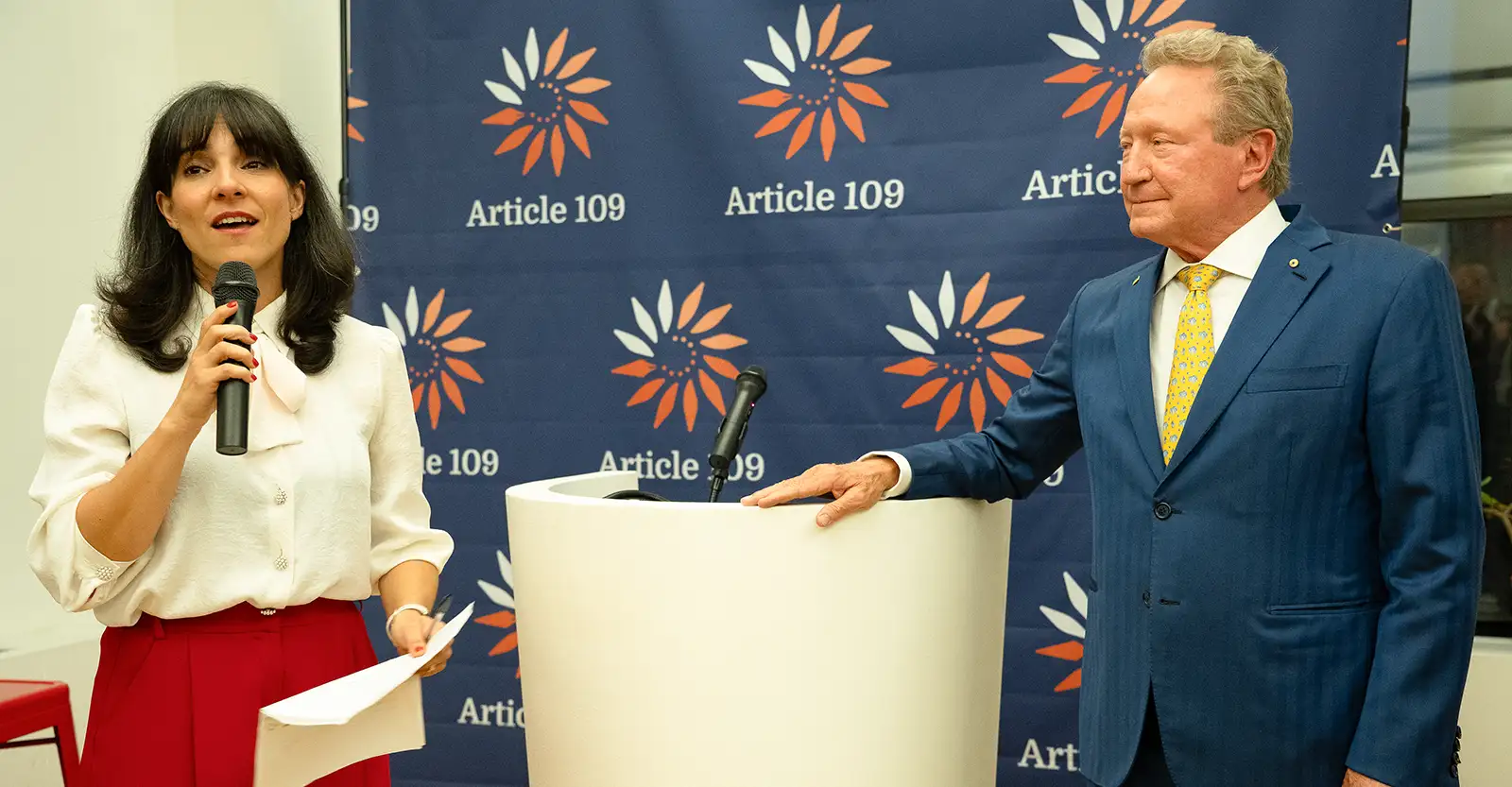
Built into the United Nations Charter is Article 109, a mechanism designed to enable a review of the Charter itself. Yet more than 80 years after the UN was established, it has never been activated.
If invoked, Article 109 could provide an opportunity to modernise the United Nations and strengthen its ability to respond to the complex and connected challenges of the 21st century.
That’s why, at last year’s UNGA, Minderoo supported the launch of the Article 109 Coalition, an organisation committed to building awareness and support for this potential pathway to UN reform.
At UNGA81, Minderoo will build on that momentum.
With the selection of a new UN Secretary-General also approaching, this creates an important inflection point to consider how the institutions the world depends on can evolve for the decades ahead.
– Dr Andrew Forrest, Minderoo Foundation
2. Humanitarian action
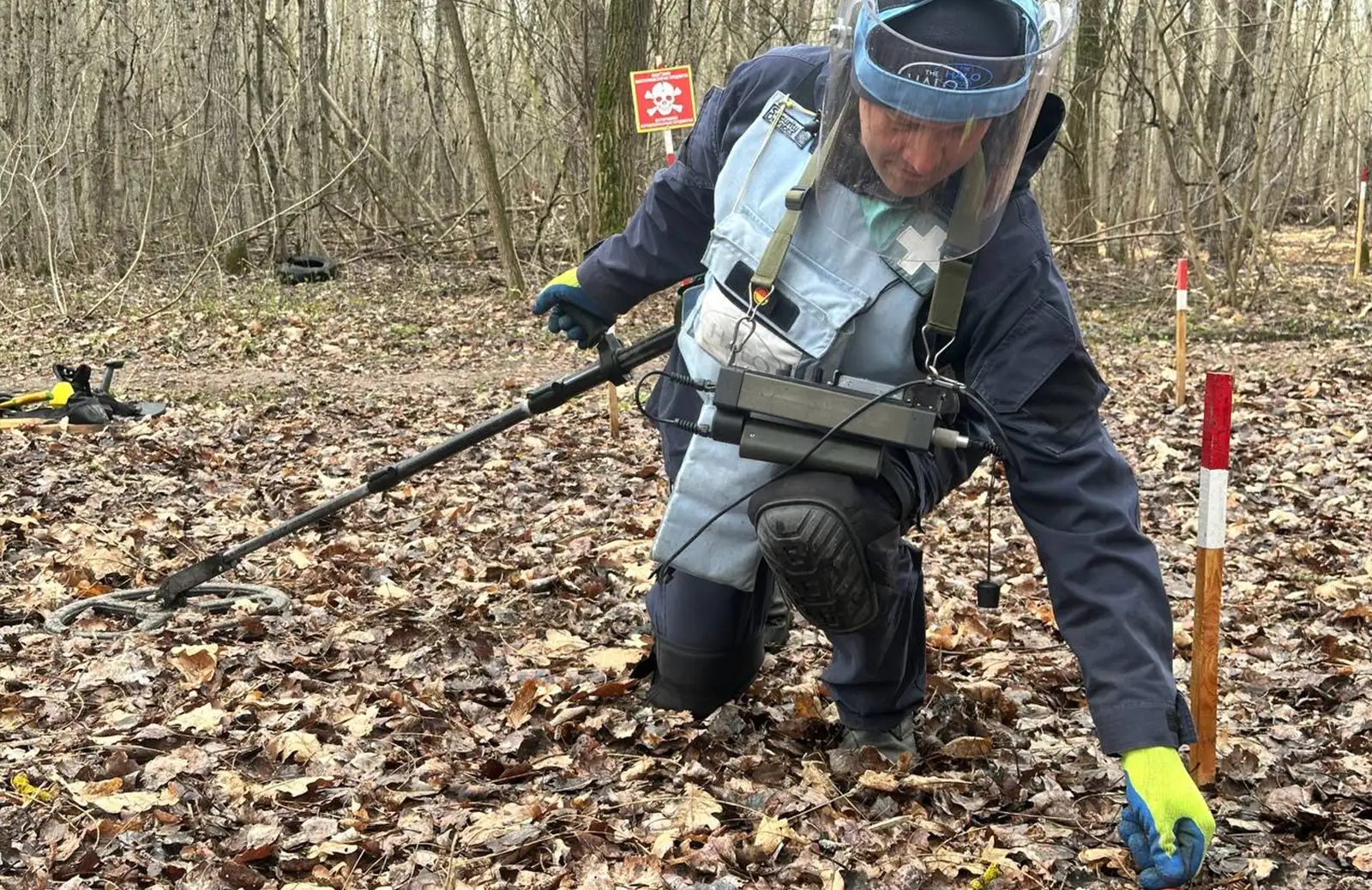
Protracted conflicts and climate-driven disasters continue to drive severe humanitarian impacts, leaving record numbers of people in need of assistance and protection.
This year alone, 252 million people have needed humanitarian assistance, while the resources available to respond continue to decline.
At the same time, the past three years have been the deadliest on record for humanitarian workers, with local humanitarians bearing much of that risk.
These pressures point to a humanitarian system in urgent need of new ways of working.
Aid workers must be protected under international law and have safe, unhindered access to deliver assistance with accountability for those who target them.
We must also recognise the critical role of local leadership.
People responding within their own communities are often closest to the crisis and best placed to understand what is needed, and they should be given greater agency to shape the responses directly affecting them.
A major focus for Minderoo at UNGA81 will be supporting and elevating local leadership, working with partners to strengthen coalitions across the humanitarian sector, and using philanthropic capital where it can help test approaches or unlock broader action.
3. Climate, oceans and conservation
Climate change remains one of the defining challenges of our time, with its consequences increasingly felt across human health, food systems, livelihoods, migration and regional stability.
We are already seeing the devastating impacts of lethal heat and humidity, with cascading consequences for human health, labour productivity, and food production. The rapid rise in humid heatwaves reinforces the need to eliminate greenhouse gas emissions from the extraction and use of fossil fuels, the primary driver of climate change.
Our oceans, forests and broader natural ecosystems are also under increasing pressure from a warming climate and human activity, including overfishing and deforestation.
Responding effectively requires systems capable of addressing these connected pressures, while accelerating the just transition away from fossil fuels and progressing global commitments such as Real Zero and 30x30.
Did you know?
Real Zero is the goal to eliminate all emissions from fossil fuels.
30x30 is the goal to protect 30 per cent of the world’s land, freshwater and oceans by 2030.
With challenges that do not stop at national borders, neither can the solutions.
UNGA81, taking place alongside Climate Week New York City, provides an important opportunity to build momentum and advance action on these priorities.
4. Plastics and human health
Our understanding of plastic pollution is evolving.
Once considered predominantly an environmental issue, a growing body of scientific evidence is revealing the irrefutable harms plastic and its associated chemicals pose to human health across the entire human lifespan.
We are beginning to see policy wins, including measures like REACH (Registration, Evaluation, Authorisation and Restriction of Chemicals) restrictions in the European Union and state-level action on PFAS in the United States, demonstrating that regulation can reduce exposure to harmful chemicals.
At the same time, regulation alone cannot end our reliance on plastics.
Investment must also move upstream towards safer, sustainable alternatives.
Currently, only a small proportion of investment in solutions is directed towards upstream innovation, despite the important role alternative materials will need to play in reducing reliance on fossil fuel-derived plastics and their associated chemicals.
Successful industry transitions require policy, consumer demand and viable alternatives to move together.
The challenge now is moving promising sustainable materials from proof of concept to commercial scale.
Catalytic and blended capital can bridge the gap and build the markets needed to support a broader transition away from harmful chemicals. Minderoo will be advocating for this alongside our partners on the ground at UNGA81.

5. Artificial intelligence and emerging technologies
Few areas demonstrate the need for policy and safeguards to keep pace with change more clearly than artificial intelligence.
AI is advancing rapidly and creating significant opportunities for people, economies and society. But innovation and safety do not need to be competing objectives.
Minderoo supports a balanced approach to AI that protects people, builds confidence and enables responsible innovation.
That means putting practical safeguards and accountability in place as AI becomes more embedded in people’s lives. It includes giving people control over their data, ensuring transparency and accountability where AI systems affect people, and developing independent expertise and standards as regulation continues to evolve.
These questions also cut across other challenges. AI can enable or amplify existing harms, including technology-facilitated abuse, misinformation and threats to individual agency, making it even more important that safeguards evolve alongside the technology.

International cooperation will be equally important. Middle powers acting together have an opportunity to help shape global AI governance, rather than simply inheriting frameworks developed elsewhere.
For Australia and other middle powers, that means working together to shape approaches that capture the benefits of AI while ensuring the rules reflect our interests and values.
This becomes even more critical where AI intersects with global security.
Human control over nuclear command, control and communications is one area where international cooperation must remain a clear priority.
Recent dialogue between the United States and China demonstrates that even strategic competitors can find common ground on safeguards that protect everyone, building on international attention to the risks of AI in nuclear systems.
For over 7 years, the Minderoo-sponsored US-China Dialogue on AI and the Military has assisted both Governments to understand and manage the risks associated with rapid AI deployment. Most recently, this has included discussions on crisis coordination channels, cooperation against non-state actors, and mitigating the risk of AI-enabled biotechnology.
Progress will depend not only on major agreements, but on sustained technical dialogue, practical safeguards and shared approaches that governments can carry forward beyond UNGA81.
While technologies may evolve quickly, the principles guiding them should remain clear and responsible innovation should strengthen human agency, not diminish it.
From humanitarian response and climate action to plastics, technology and the institutions that underpin international cooperation, these issues may appear vastly different.
However, they share a common challenge.
The world is changing at such pace that the systems designed to protect us cannot keep up.
UNGA81 provides an opportunity to bring governments, civil society, philanthropy, researchers and communities together to ask not only what action is needed, but whether we have the systems and safeguards required to deliver it.
For Minderoo, these moments are part of building a bright future where people, communities and the environment we depend on can thrive. That means working alongside partners, building evidence, advocating for reform and using philanthropic capital where it can help turn ambition into practical and lasting change.
Subscribe to our newsletter
If you enjoyed this blog, subscribe to our newsletter to follow along for progress on these issues each month.
By signing up with your email, you agree to Minderoo Foundation’s Privacy Policy.