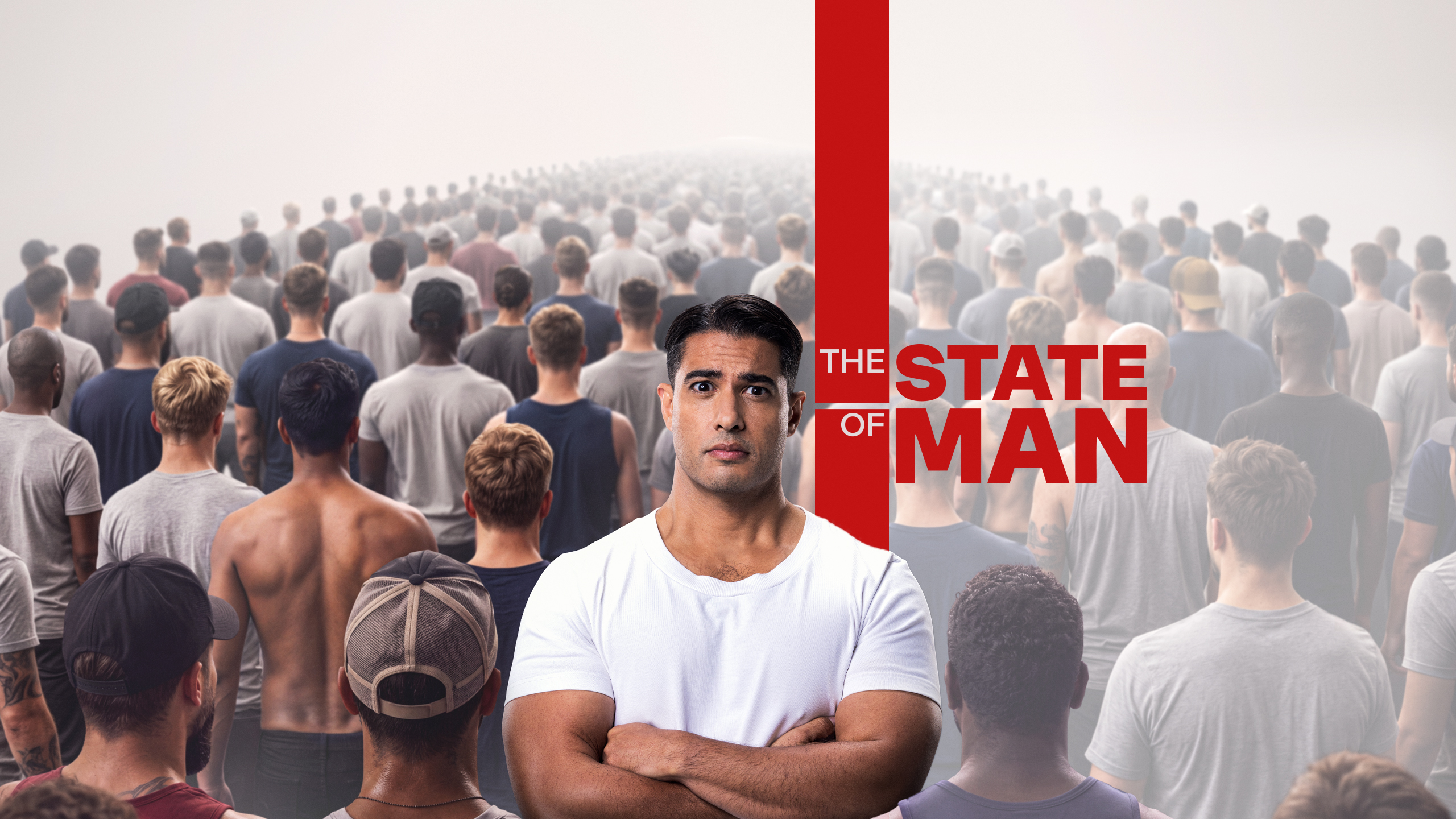
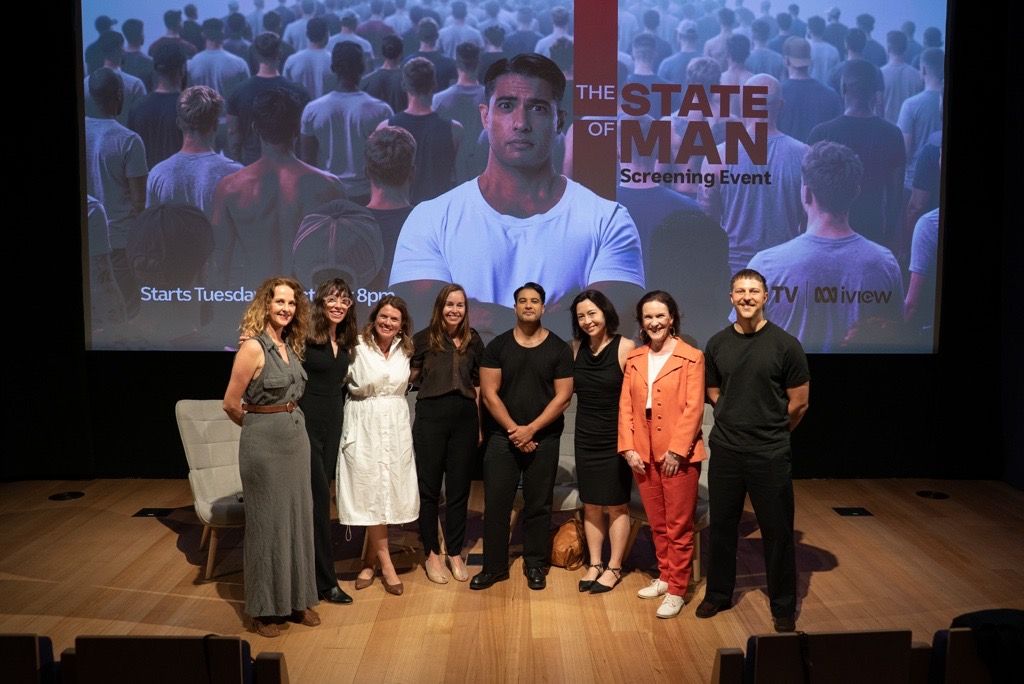
In conversation with Marc Fennell, we got a sneak preview of his deep dive into the online world of the manosphere and the forces shaping the next generation of young men in Australia.
- Marc Fennell, Journalist and Producer, The State of Man
What is State of Man about?
Marc:
The State of Man is a three-part investigation into the manosphere. Where it came from, how it's affecting Australian young boys and men, and then in turn how it's affecting all Australians.
It’s a journey that takes viewers all around the world, from right around Australia to the UK and the US. We meet the people who are the architects of that worldview, the content creators that are making millions from it, as well as the young Australian boys that have been draw into the worldview.
And we investigate not only the impact it's having on them, but also on girls, teachers and schools, as well as all the different ways people are trying to tackle it.
What took your interest in the project, and why is it specifically important now?
Marc:
The obvious part to that is, I am a man. But I'm also a dad of a boy and a girl, and I'm interested in its impact on both of them.
I've also been a technology journalist for a long time, and the manosphere is inextricably linked to social media and technology because it centres around a worldview that has proliferated on social media.
There are a few things that have happened in the last couple of years that I think make the project really urgent.
We know that Gen Z's attitudes to gender equality are vastly more conservative than even baby boomers. Their attitudes to sex, relationships and women's agency have moved backwards in the last couple of years, and I was intrigued as to why that's happened.
There's also been massive changes in the role of men, and I think there is a bit of an identity crisis happening.
Meanwhile, there is a domestic violence epidemic, and that is largely perpetrated by men. There are a range of issues around men. Suicide, loneliness.
No one is suggesting all these issues are specifically linked to the manosphere, but the manosphere acts as a linchpin that ties a lot of these issues together.
Part of the job of The State of Man is to actually unpick that.
What is this worldview of the manosphere actually feeding on?
Who's fuelling it?
Who's profiting from it?
What is the impact?
And is it something that we as a society should tackle?
And if so, what does that even look like?
What are some of the biggest issues affecting young men?
Marc:
I think there's been a profound change in the roles of men and women, and that has left a lot of young men feeling like advances for women and girls have come at a cost to them.
Now, whether that is actually true is one of the things be investigated in the series.
But that feeling is undeniably out there in the world, and that is something that needs to be explored.
Because there has been a change in the culture, and it's meant that a lot of men who used to build their identities on jobs and roles as providers… Well, that doesn't necessarily exist in the same way.
The question we’re asking is, are men and boys are in crisis right now.
And if they are, then the ramifications for women and girls are huge.
One of the things Mel McLean, the Director, and I coalesced on was this idea:
"If 50% of the population is in crisis, the other 50% is in danger.”
And you can already see that. You can see that in domestic violence, and you can see that in suicide rates.
The ramifications have played out in some really dark ways, and that is something that all men and boys need to recalibrate and find a way to make the progress of women not feel like it comes at the cost of men.
Is the manosphere a scam?
Marc:
One of the challenges of the term “the manosphere” is it's a monolithic term for an ecosystem of content and thought. It's hard to refer to it as a singular thing, even though we do.
The reason why we've got 31 hours covering it is because it's an ecosystem.
It's feeding off some very real insecurities, but I think the solutions it presents are very limited in how they're actually helping men and boys, and actually in many ways are being quite damaging to men and boys, women and girls.
Why do you think young men are so drawn to these influencers and communities in the first place?
Marc:
Because they present confident, clean, and simple ideas that seem like they fit perfectly.
But actually, the world is messy and complicated – and clean, simple ideas in 15-second TikTok hooks do not always map against the reality of life.
What are some healthier alternatives or role models for young men?
Marc:
One of the things I've been really encouraged by is that there are actually heaps of really positive role models out there.
The most important people in the lives of young Australians are usually the ones closest to them.
Yes, it's parents and friends, but it's also teachers and footy coaches.
And actually, some of the most important people are those that exist in the third spaces.
That’s where I feel we need to invest in. The people that are not a parent or a teacher, but another strong adult who's got a little bit of remove. Coaches, youth group leaders, taekwondo instructors, whatever. They can be the most important person.
And it's also important that they're not just one gender. Boys can have important mentors and role models that are both women and men. We need young guys to see women in power, as well.
It's going to take a whole range of ways of dealing with this.
But I actually feel good about that. Because that means we all have a role to play.
That's probably the message I want people to take away from it.
Every single one of us has a role to play in recalibrating what healthy masculinity looks like, and all of us stand to benefit if we get it right.
Want to stay in the loop?
Subscribe to our monthly newsletter to keep up to date on Minderoo Pictures releases and our work to back community-led change, build a liveable future and keep people safe as technology advances.
By signing up with your email, you agree to Minderoo Foundation’s Privacy Policy.