After struggling with unexplained infertility, Julie and Eric joined The Plastic Detox experiment with little awareness of how chemicals used in plastics could affect their fertility.
Trigger warning
The following discussion mentions potentially triggering themes, such as infertility, miscarriage and reproductive health.
In this candid conversation with Professor Sarah Dunlop, Julie and Eric discuss the improvements seen from plastic reduction, the joy of welcoming their son Rowan and how their experience inspired them to advocate for stronger protections from endocrine-disrupting chemicals found in everyday plastic items.
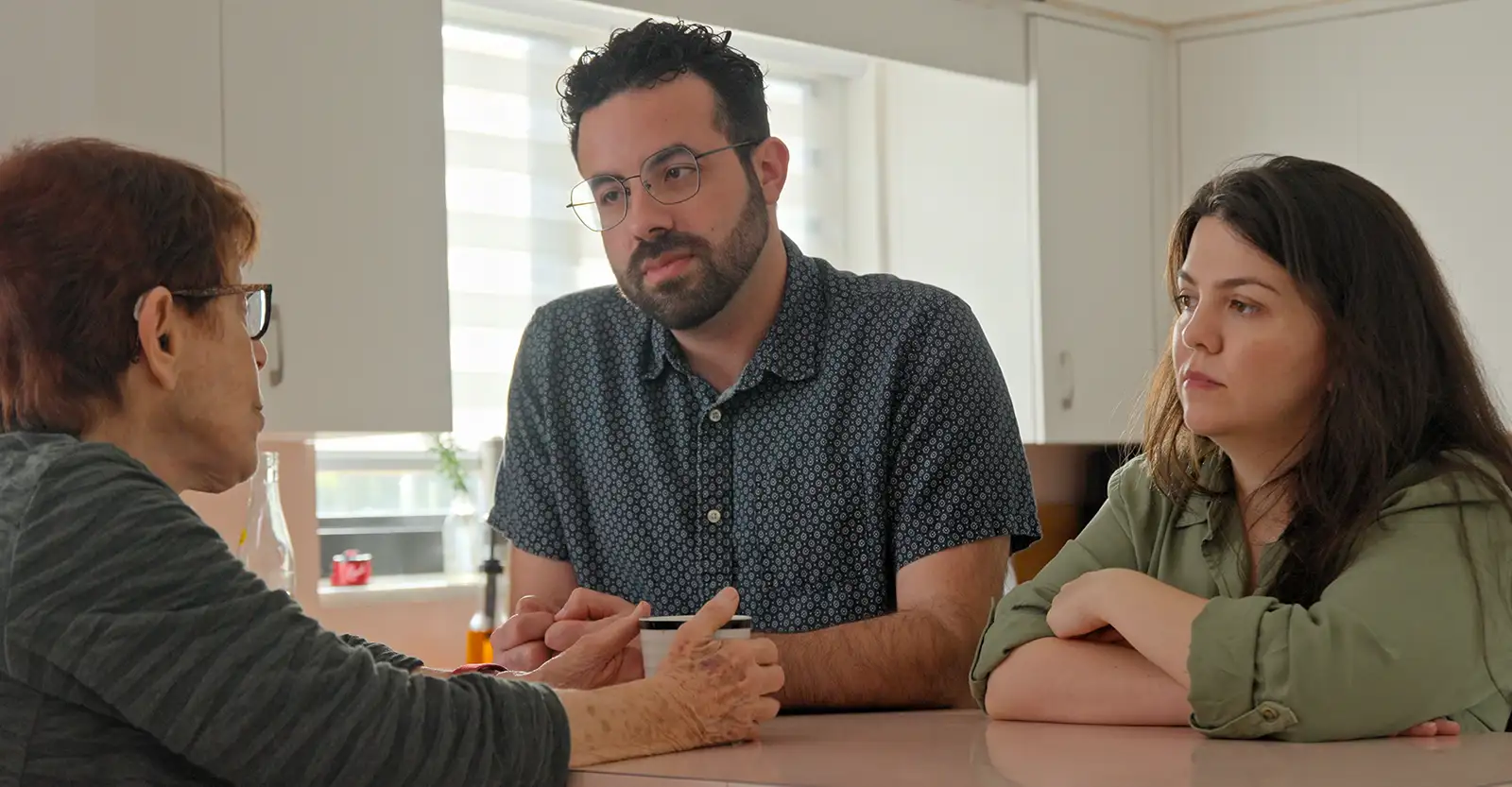
The Plastic Detox, a health experiment and Netflix documentary, is an eye-opening journey into the hidden dangers of plastic in our homes.
When six couples embark on a plastic detox, it changes their families forever.
The Plastic Detox explains what plastics and their chemicals are doing to our health and how we can take matters into our own hands.
From hormone disruption that is fuelling a worldwide fertility crisis, to early heart attack and stroke and increased risk of cancer, this powerful documentary reveals the shocking science behind plastic’s impact on human life.
Produced by an Academy Award®-winning team, The Plastic Detox features leading scientists and personal stories of couples who bravely share their infertility journey and the steps they have taken to detox their homes and lives.
Our Director of Plastics & Human Health, Professor Sarah Dunlop, had the chance to chat with two of these participants, the wonderful Julie and Eric.
Since taking part in the experiment, Julie and Eric have become staunch anti-plastic advocates, with Eric even enlisting in law school to pursue everything that the film is about, with the ultimate hope to spark regulatory level change to protect people from endocrine disrupting chemicals.
This inspired a move from Florida to Georgetown, DC to undertake these studies, simply because of how much better they felt by cutting out plastic.
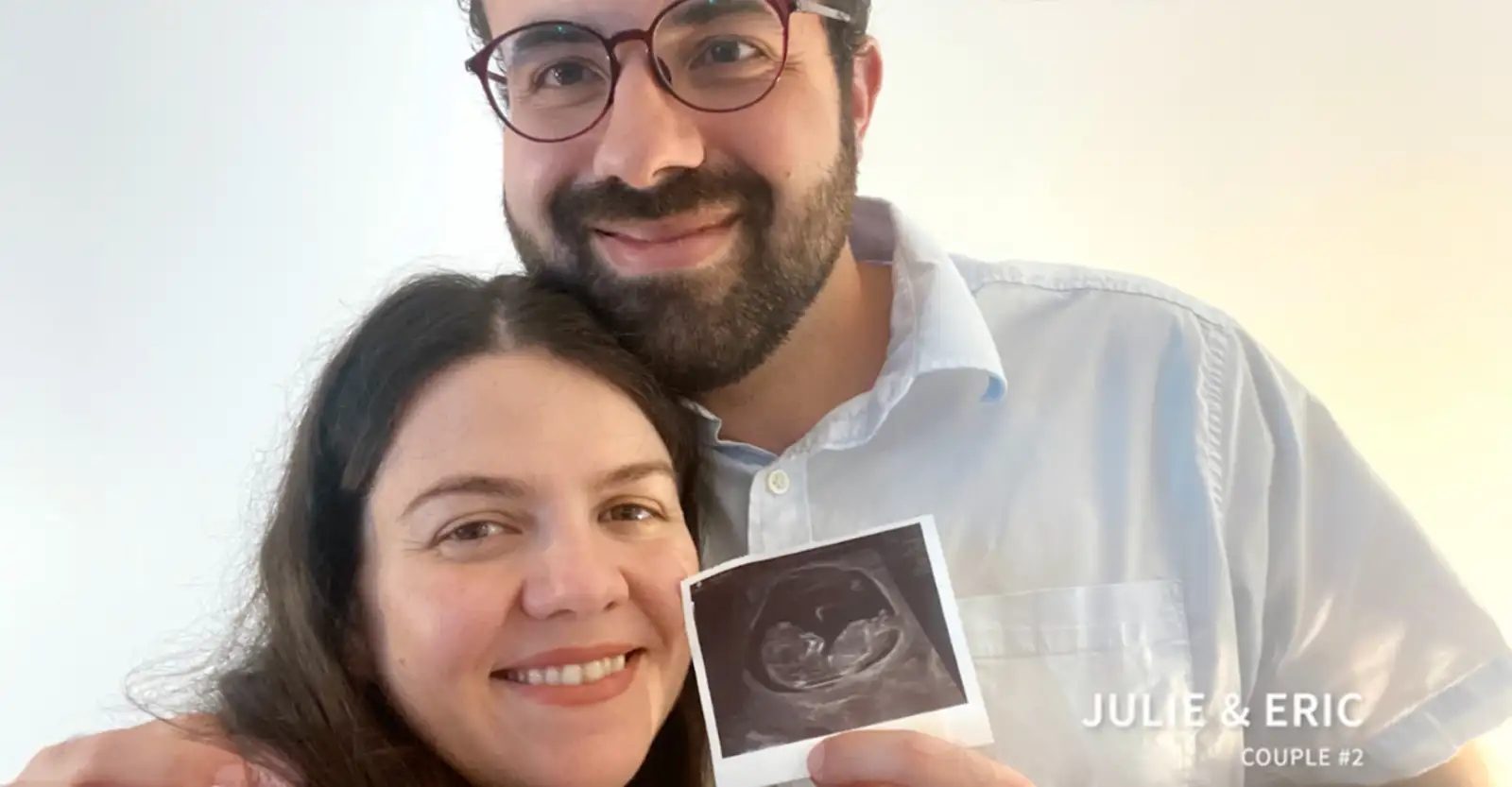
Since then, they have also welcomed their beautiful baby boy Rowan into the world after a long struggle with infertility.
Sarah
Eric and Julie, thank you so much for taking the time to meet with us today. I’m really excited to hear about your journey on The Plastics Detox, which of course is now a Netflix documentary.
But first and foremost, a huge congratulations because you welcomed your beautiful son, Rowan, into the world earlier this year after a long journey with infertility.
So, I want to start by going back in time a bit and before this whole plastics detox journey started and to ask you,
To what extent or were you aware that plastic is in fact a very complex chemical mixture and those chemicals are toxic? What can you tell us about that?
Julie
I was definitely aware of trying to recycle, but I didn’t know that it affected us, you know. I heard little rumours, but I didn’t take it too seriously.
So not until Shanna came to our house did I really realise like, oh, okay, this is serious. And not that it’s just plastics, but the fragrances, the personal care products. That’s what was really shocking to me.
Sarah
Yes, we’re totally surrounded by it. Not only that, but it’s also in us. And that’s really the next question, because plastic is a complex chemical mixture...
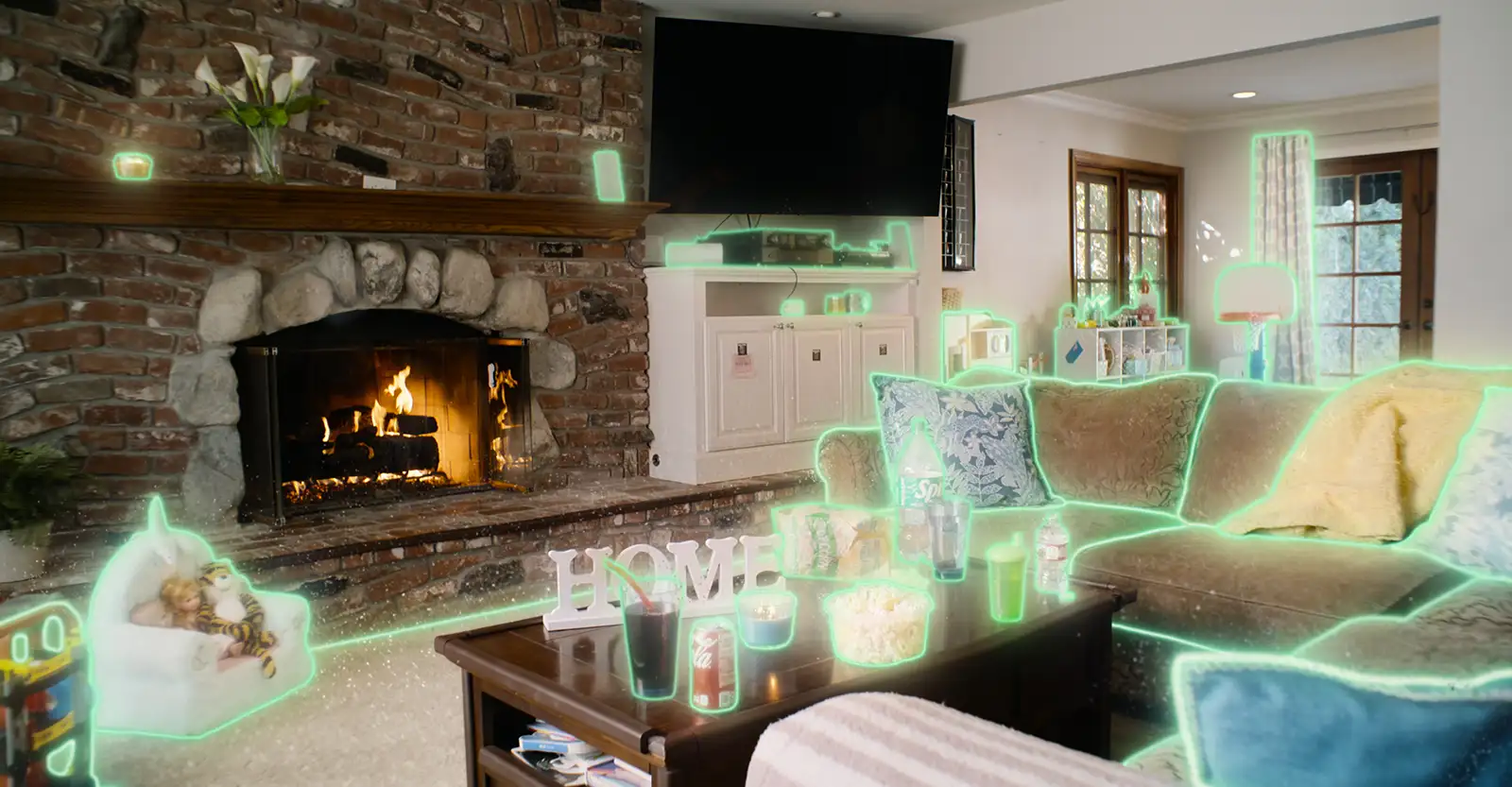
Were you aware that those toxic chemicals actually leak out of plastic products? And that they get into us and harm our health, including fertility?
Julie
Yeah, none. Which bothers me because when we started the intervention, I was like, why isn’t someone taking care of us? I thought I could trust that there were policies that would protect me from things like that.
Eric
Zero. I had no awareness of that at all. Maybe I’m just so, I don’t know, jaded, but I didn’t think the US government would protect me from it. So, I wasn’t shocked when I discovered that it wasn’t.
It was shocking to me because we had unexplained infertility, which is what people will diagnose you with when they can’t point to any specific thing medically that’s causing it.
When Shanna came to our house – when we eliminated all of that and had the outcome we did in terms of my contribution to it. It was really hopeful and awesome, but it was also really infuriating at the same time.
You realise, oh my gosh, I’ve been exposed to this my entire life. Never consented to it, never agreed to it, and never been educated about it either.
I don’t have a science or chemistry background, but it’s not the most complicated thing to explain to somebody that there are chemicals used in the plastic production process that affect your hormones and a bunch of other things, right?
Sarah
That’s right. I mean, we regulate medicines very effectively, particularly after thalidomide – that’s when it all started – but we seem to have a complete blind spot on all these industrial chemicals, many of which are endocrine disrupting.
So, can you tell us a little bit about what inspired you to take part in Plastics Detox?
Julie
To go back all the way, after a little over a year of trying, they did a bunch of testing on me at the gynaecologist and everything was normal. Eventually, two years later, they looked at Eric’s sperm. That’s when we found that it was low.
And then through the testing process we were asked, do you want to be part of a research project?
We said sure, why not?
They told us it’s something where you eliminate plastics and they would pay for more testing. So we were like, yeah, let’s just do it.
We only did it so we could get free testing. We didn’t know it was going to change our life.
We didn’t know we were going to be in a movie or any of that.
For a while we thought it wasn’t real. We met with one of the producers and we were like, are you sure this isn’t some sort of scam?
Sarah
I actually looked up IVF websites and what’s intriguing is that many of them say at the very beginning, avoid endocrine disrupting chemicals and some give this list, which sort of reflects the journey that you’ve been on.
Removing plastic from your life can be somewhat simpler than IVF. I recognise infertility is very complex and multifactorial, but everything we can do to help is important.
Can you tell us a little bit about the journey you had leading up to finding out that you were pregnant?
Julie
Yeah, so Shanna came to our house and shockingly, she threw away almost everything I had – shampoos, laundry detergent, everything. We did that for about three months.
We did the intervention and saw Eric’s sperm go up significantly. His sperm count went up more than 10x in just 3 months.
For me, there wasn’t anything except for the testing they did on my urine to see the plastic before and after.
Eric
That’s something we talked about. It disproportionately affects women because women are just born with all the eggs they will ever have.
You actually already have all the eggs you’re going to have in your mother’s uterus when you’re a foetus. So you’re being affected by this and DNA fragmentation and all these different things that could affect your eggs.
In the lead up to it, it very much focused on men. And we were happy about that because of the way that it landed on us. The worst thing you could possibly do is put more pressure on women when it comes to infertility. I think they bear all the burden.
We decided to get into the advocacy space. In terms of leaving Miami and pursuing this before our child was even a foetus or anything like that. We weren’t pregnant. But just because we felt so much better. When we eventually did get pregnant, I think for a while we didn’t believe it was real.
Julie
Yeah, I didn’t say his name out loud until he was born. We had a miscarriage right before we started the plastic detox stuff, so the whole pregnancy we thought is this actually happening? We were extremely excited, but also very cautious. I didn’t want to be too happy and then have a loss.
Sarah
Yes, there’s so much hanging in the balance. And it must have been, as you say, both really exciting but also really confronting. It’s the not knowing as well.
But you did fall pregnant, and have welcomed your beautiful baby, Rowan. It’s an amazing story and you’ve learned a great deal.
What do you think is the biggest learning that you’ve had from this experience on The Plastic Detox?
Julie
For me, greenwashing. It’s knowing that when I go shopping, I can’t trust the labels.
I would buy something that says phthalate-free, blah, blah, blah.
And then on the back, I scan it with an app, and I find out it’s still bad for you.
I don’t want to throw out brand names, but in our big organic grocery store here, I thought I could just shop there and it would be safe. But I realised, before I pick anything, I have to do my research and that’s such a pain in the ****.
Now we have found the things that we like and we keep buying the same thing. But for the baby, I had to start all over. Since he’s new, I try to avoid plastics as much as possible.
Eric
For me, it was finding out that if you’re being exposed to these things and you have a negative experience like I did with my health, it’s not your fault. Once you have the knowledge, it does – in a good, positive sense – become your responsibility to stay healthy. And so, I’ve really enjoyed that responsibility and then extending that to our son and to our family.
The other takeaway is that there is a lot we can do. There’s a lot of people who are very doom and gloom who say there’s nothing we can do and you’re just screwed.
But actually, there’s a lot you can do, and you don’t need to be super well off to do it.
There is a certain amount of privilege that you do need in the sense of you need to be educated enough, to have time in your day and it is more expensive. But not prohibitively expensive for many people.
Like I said, it’s not your fault. The burden of guilt rests with the negligence of governmental bodies not protecting you and the businesses knowingly poisoning you to make more money.
Sarah
I couldn’t agree more. I get horrified every time I go into a supermarket and see aisle after aisle of plastic and packaging of some sort or the other, just going to be used once and thrown away.
I just get outraged and it shouldn’t be on the mums and dads to check out all the packets. And even if you do, you don’t get anywhere. The closest you get to any form of transparency about the chemicals is to be told well, this is BPA free.
What they haven’t told you is they’ve replaced it with BPS, which is a very similar, endocrine disrupting chemical.
And we’re finding as BPA is going down in humans, BPS is coming up. So, it’s like chemical whack-a-mole.
And I agree, it’s on the companies to tell us what’s in plastic and not use toxic chemicals in the first place.
The expense, I think, is an interesting one too, because plastic might be cheap to buy, but it’s really expensive to use when you factor in all the health impacts.
Rowan
*grumbles*
Eric
He has so much to say. He’s very opinionated about this.
Sarah
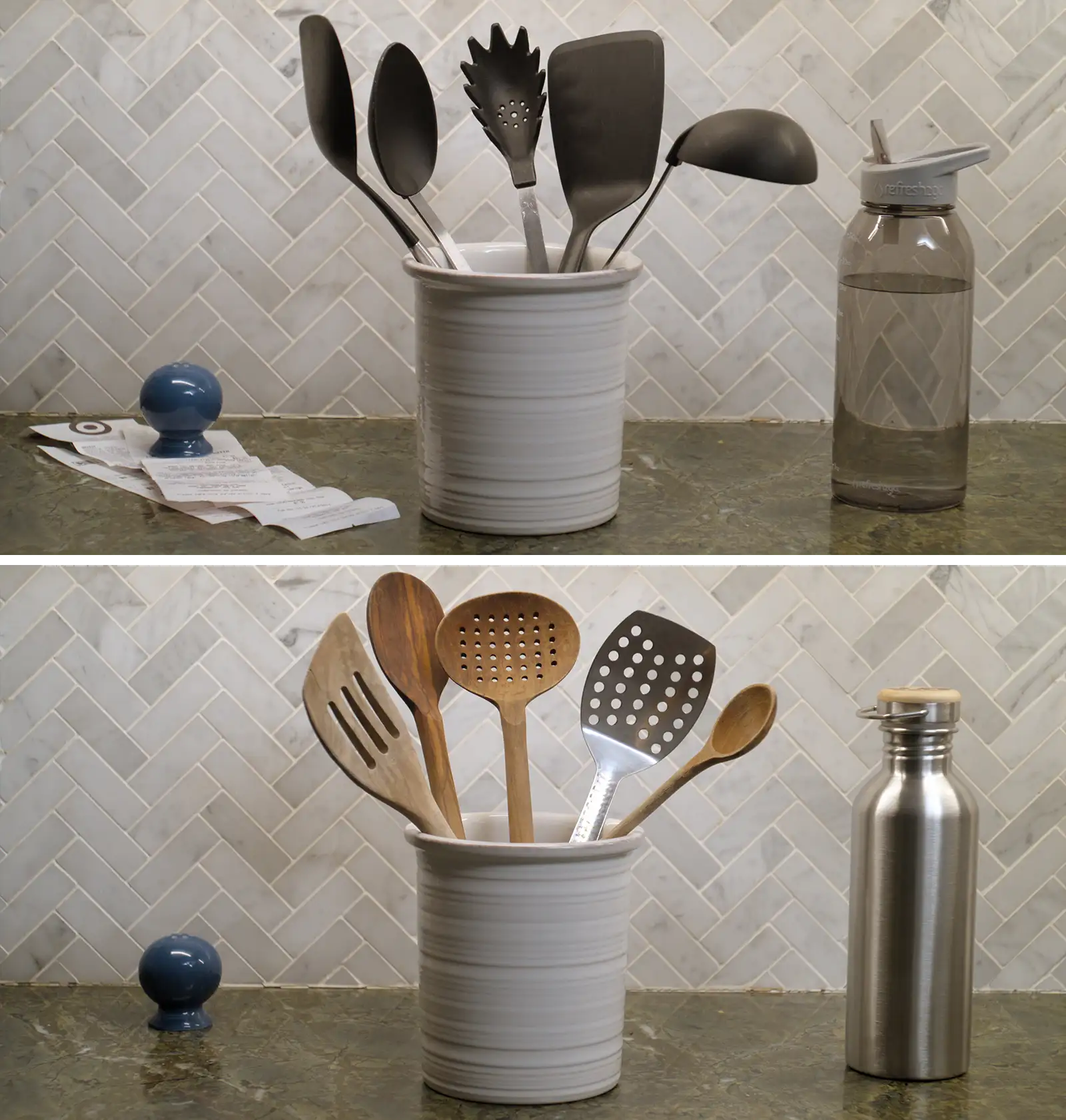
For people out there, what’s one simple swap you would suggest they make tomorrow to start reducing their exposure to plastic and chemicals?
Julie
Just one? That’s hard. Because I wash my hair all the time, I would say a shampoo and conditioner – whatever you use in the shower – that are fragrance-free and without the chemicals. I usually use an app to check that they’re safe. Cooking matters, but I don’t cook every day. Shower products are something I use all the time.
Eric
For me, it would be getting rid of anything with fragrance in your house. It’s not one simple product because everything has fragrance, but if something lists “fragrance” as an ingredient, don’t get it. It probably doesn’t actually smell good.
Once you’ve been away from it for a while, you realise it smells bad and you can smell it on people. I’m not trying to shame anyone for what they wear, but getting rid of anything with fragrance is a pretty simple thing to do. You can read the word “fragrance” and not buy that product, or buy fragrance-free products.
Sarah
I love it. Fragrance is not essential to life. Good, clean food, air and water are essential, but fragrance is not.
Do you think this experience has changed how you think about creating a healthy environment for your family?
Eric
Yes. We moved across the country so I could go to law school to pursue this. We sold our house. It was really crazy and dramatic, and that was before he was even a possibility.
I think there is industry responsibility and government neglect. There are a variety of reasons for that. One is that there hasn’t been enough storytelling to make enough people angry and force the government to act.
If you want things to change, we have to tell really good stories.
Functionally, that means taking the science and putting it in the hands of non-scientists who can tell the story effectively in a way regular people understand. If someone as dumb as I am can understand it, we’re doing a good job. I think The Plastic Detox did a phenomenal job of that and I hope there’s more of it.
Sarah
We have to keep pushing. We need the science and the evidence, but you’re right, we have to turn them into stories. I’m totally with you about engendering outrage among the public.
How dare we be exposed without our consent?
How dare toxic chemicals that disrupt our health and affect babies’ brains be used?
It’s affecting what it is to be human. It’s affecting the right to life through infertility and even miscarriage. It’s a matter of life and death and we have to get that story across.
A huge thank you to Eric, Julie and to Rowan. I loved your contributions, Rowan. They were very special.
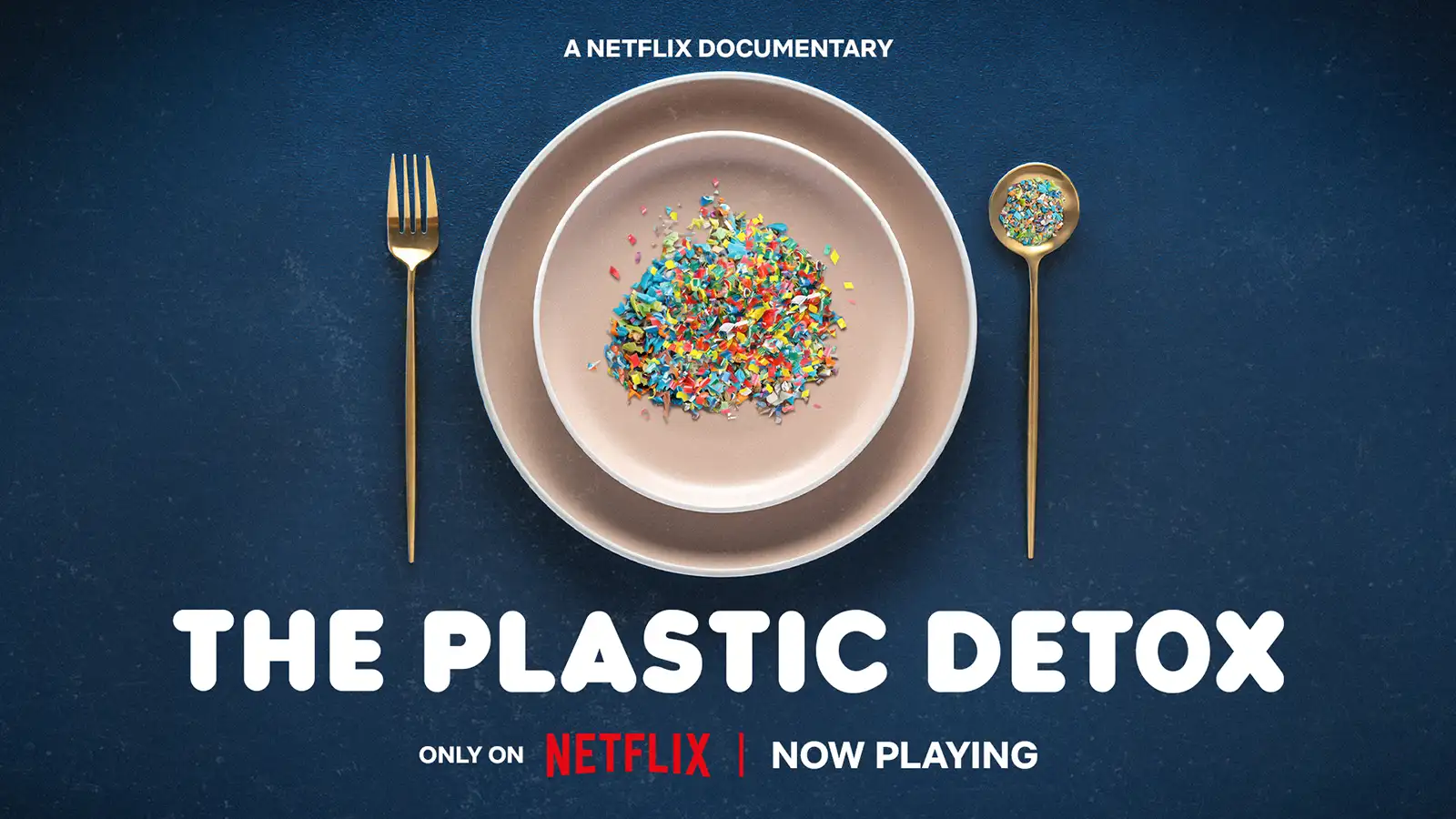
You can watch The Plastic Detox now on Netflix: https://bit.ly/ThePlasticDetoxOnNetflix
Sign up to our newsletter
If you enjoyed this blog, subscribe to our newsletter to keep up-to-date with all things plastics and human health each month.
By signing up with your email, you agree to Minderoo Foundation’s Privacy Policy.