With Australia ratifying the High Seas Treaty alongside more than 80 countries, the focus is shifting from commitment to action. The decisions made now will be critical for protecting ocean ecosystems worldwide.
This week in New York, governments are shaping how an agreement the world has never seen before will work in practice.
As the third and final session of the Preparatory Commission (Prep Comm III) for the High Seas Treaty (formally known as the Biodiversity National Jurisdiction or BBNJ Agreement) comes to a close, countries are no longer debating whether the high seas should be protected.
That part has been well established.
Ahead of the first Conference of the Parties (COP1) in January 2027, the focus is now on how — and whether — this landmark agreement will work in practice.
This is a once-in-a-generation governance moment.
The BBNJ Agreement establishes a new global framework to protect biodiversity beyond national jurisdiction. While the high seas are already governed by a patchwork of sectoral and regional bodies, this is the first time a cross-cutting global framework for biodiversity protection is being established — with the potential to reshape how the ocean is protected for generations.
This rare opportunity brings with it both risk and opportunity.
We can choose to either replicate the exclusions and failures of the past, or we can build something stronger from the outset.
But first…

What are the high seas, and why are they so important?
Earth’s oceans cover 70 per cent of our planet's surface, from the shallows of coastal zones to the depths of the darkest oceanic trenches.
They absorb 90 per cent of the excess heat generated by greenhouse gases and around 23 per cent of humanity’s annual C02 emissions. In effect, they act as our climate control and life support system.
Our oceans also form the world’s largest ecosystem, home to more than one million species interconnected within the vast web of life.
It should then go without saying: the future of the Earth depends on the health of our oceans.
Encouragingly, the past decade has seen important progress in ocean conservation. Many nation states have taken steps to stop destructive practices and protect marine areas within their jurisdictions. These are called Exclusive Economic Zones (EEZs).
But what about the vast oceans beyond any EEZs?
These are known as the high seas, and they make up about an overwhelming two-thirds of the world's oceans and are essential to the overall health of the ocean and the planet.
Until recently, there has been no framework to enable their effective protection and coordinated management. That is all beginning to change.

So, what does protection actually look like?
An example lies in our own region – between Australia and New Zealand, in the open waters of the Tasman Sea beyond national jurisdiction.
Here sits a volcanic lost world: a vibrant marine landscape clustered around a complex of seamounts towering over abyssal plains and the vast Lord Howe Rise plateau.
The Lord Howe Rise is home to hundreds of species, many being endemic to the region, and with some classified as threatened.
This diverse and dynamic ocean area is an important breeding ground and migration corridor for numerous species, including many threatened ones.
For example, it is a global hotspot for deepwater sharks and rays and supports many species of pelagic and demersal fish.
Cold-water corals such as whip corals, as well as sponges, populate the rocky seamounts while hundreds of species live on or within the expansive soft sediment basins and plateaus.
Acorn worms, sea pens, and prawns also thrive in this environment.
While Australia and New Zealand have made progress on protecting adjacent areas within their own EEZs, the sections beyond their jurisdiction are vulnerable to extractive activities such as bottom trawling – practices that can severely impact entire marine ecosystems.
Minderoo is working with partners to protect this region by supporting the scientific, technical and diplomatic work.
This work aims to establish a network of High Seas Marine Protected Areas in the Lord Howe Rise and South Tasman Sea region.
This is a practical example of how the Treaty can deliver real protection on the water.
Given how connected the oceans are, protecting these regions will also protect biodiversity closer to shore.
It’s this principle of interconnectivity that makes the High Seas Treaty – and its effective implementation – so important.
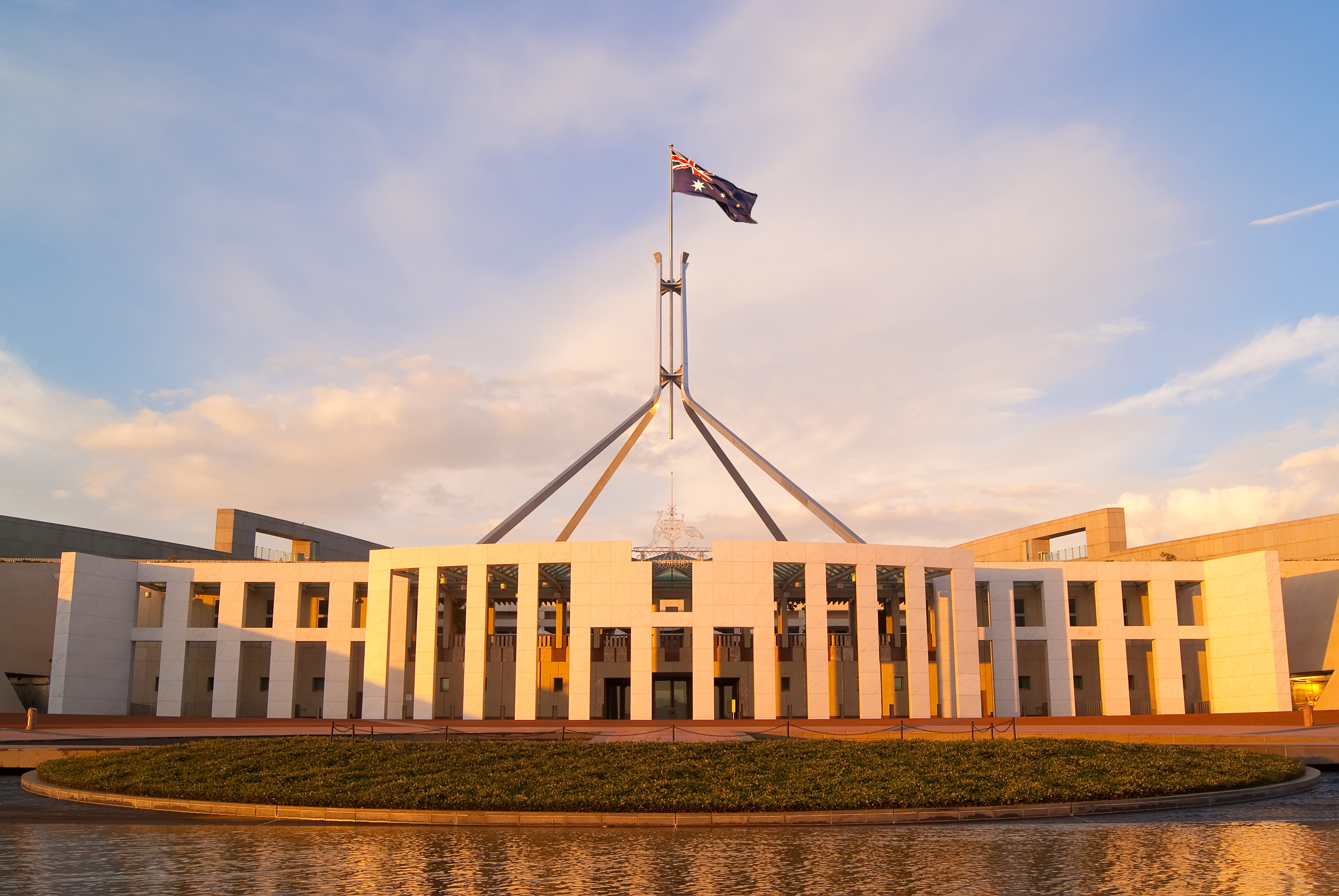
We applaud the Australian Government for its ongoing commitment to the High Seas Treaty.
Having been one of the first countries to sign it in 2023, Australia has now passed the comprehensive High Seas Biodiversity Bill 2026 into Australian Parliament on 31st March 2026, reaffirming that commitment and enabling Australia to formally accede to the Treaty.
The more you know: After a treaty is in force, countries that join later are said to accede — not ratify.
Domestically, this will allow ecologically and biologically significant marine areas in the high seas to be protected through the establishment of Marine Protected Areas (MPAs).
Creating MPAs and other Area-Based Management Tools is one of the Treaty’s four pillars. Their success will be reliant on strong monitoring, compliance, and enforcement regimes.
The Treaty’s other three pillars will focus on:
- The equitable sharing of benefits from marine genetic resources
- Capacity building and the transfer of marine technology for conservation and sustainable use
- Clear guidance for environmental impact assessments on the high seas
Protecting the high seas will reduce threats to biodiversity and habitats, support ecosystem resilience, and help mitigate climate change and enhance food security for millions of people worldwide.
Minderoo Foundation is committed to halting and reversing the loss of marine biodiversity and habitats.
Protecting the high seas is central to achieving this ambition.
That’s why we are:
- Supporting partners nationally and internationally to urgently establish the institutional arrangements required to operationalise the Treaty
- Supporting countries to plan for, implement and adhere to the Treaty
The Treaty entered into force on 17 January 2026, marking the beginning of a new era in ocean governance. For the first time, multilateral agreements will finally provide a strong legal basis for protecting areas beyond national jurisdiction and ensuring compliance with agreed rules.
More than 80 countries have now formally joined the Treaty, and we expect many more to accede in 2026.

Too often, conservation frameworks have been designed without adequately including the people who depend most on the ocean, which can undermine their ability to deliver lasting outcomes.
The evidence is clear: gender inclusion improves environmental outcomes, strengthens compliance, and leads to more resilient protection.
Yet women remain dramatically under‑represented in ocean governance globally. If this gap is ignored now, it risks being locked into the system for decades.
Embedding human rights based approaches and gender equity from the start is the kind of early action where philanthropy has a critical role to play.
Our partnership with GIZ, as they implement the Living High Seas project, is an example of this, enabling gender responsive approaches for co-development and future implementation of marine protected areas in the high seas.
Regional gender networks will be supported, a BBNJ women’s leadership and learning program implemented, as well as a gender strategy and action plan developed in target Living High Seas regions across the Atlantic, Indian and Pacific Oceans.
The programme focuses not just on what is protected, but how governance is designed.

Living High Seas Partnership
The Living High Seas Partnership is a pioneering initiative funded by the German Federal Ministry for the Environment, Climate Action, Nature Conservation and Nuclear Safety through its International Climate Initiative. It brings together key partners such as the International Union for Conservation of Nature (IUCN) and the Global Ocean Biodiversity Initiative (GOBI) to support the co-development of strong, science-based action that underpins effective treaty implementation.
Over the coming years, alongside GIZ and its implementation of the initiative, Minderoo Foundation will help operationalise a BBNJ gender strategy and action plan, establish regional stakeholder networks focused on equity and inclusive participation, and launch a High Seas Women’s Leadership and Learning Programme.
The partnership will also develop a practical framework to embed human rights principles and gender mainstreaming into the design and implementation of ABMTs and MPA proposals under BBNJ.
Decisions made under the High Seas Treaty will also shape expectations across the broader ocean governance system.
This includes in areas such as deep-sea mining. While the Treaty does not regulate mining directly, it sits alongside the International Seabed Authority, which is currently under pressure to approve mining activities in international waters despite profound scientific uncertainty.
Strong, precautionary governance under BBNJ reinforces the case for restraint, including implementing a global moratorium on deep‑sea mining until the risks to biodiversity, climate and ocean health are fully understood.
The Treaty also strengthens efforts to protect other global commons, including the Antarctic and Southern Ocean, where the consequences of governance failure would be irreversible.
Maintaining momentum in 2026 is essential to establishing robust and strong institutional arrangements to help the Treaty realise its full ambition, ensuring the path to COP1 is collaborative and ambition remains high, and encourages further countries to accede to the High Seas Treaty.
We have a narrow window to get this right.
Decades of evidence from Marine Protected Areas around the world show that well‑designed, well‑managed protection delivers benefits not just for nature, but for people too.
Studies have found that fisheries adjacent to protected areas see more reliable catches, larger and higher‑value fish, and long‑term spillovers that support food security and livelihoods. In many cases, coastal communities can benefit from this, as when fish and their habitats are protected at critical stages of their life cycle, it contributes to the long-term sustainability of fish populations and healthier ecosystems.
The High Seas Treaty gives us the chance to apply these lessons globally, at scale, for the first time. Getting the treaty architecture right from the start will be crucial in determining whether protection of the high seas delivers the same long‑term benefits for ocean‑dependent communities worldwide.
Want to stay in the loop?
Subscribe to our newsletter to stay up to date on our Natural Ecosystems, Gender Equality, Communities and Impact Mission work.
By signing up with your email, you agree to Minderoo Foundation’s Privacy Policy.