A new automated eDNA sampler aboard the private vessel Pangaea Ocean Explorer is helping test how vessels travelling across the sea could close critical gaps in our understanding of marine life.
We have an ocean sized blind spot. To protect the ocean, we first need to understand what is there.
The ocean covers more than 70 per cent of the planet, yet vast areas remain poorly understood. Governments and marine managers are making decisions about ecosystems where the evidence is incomplete and important changes can be difficult to detect.
Are we protecting the right areas? Gaps in biodiversity data are not proof that nothing is there. Better decisions begin with a clearer picture.

A few litres of seawater, thousands of clues.
Environmental DNA, or eDNA, is transforming what scientists can learn about marine life.
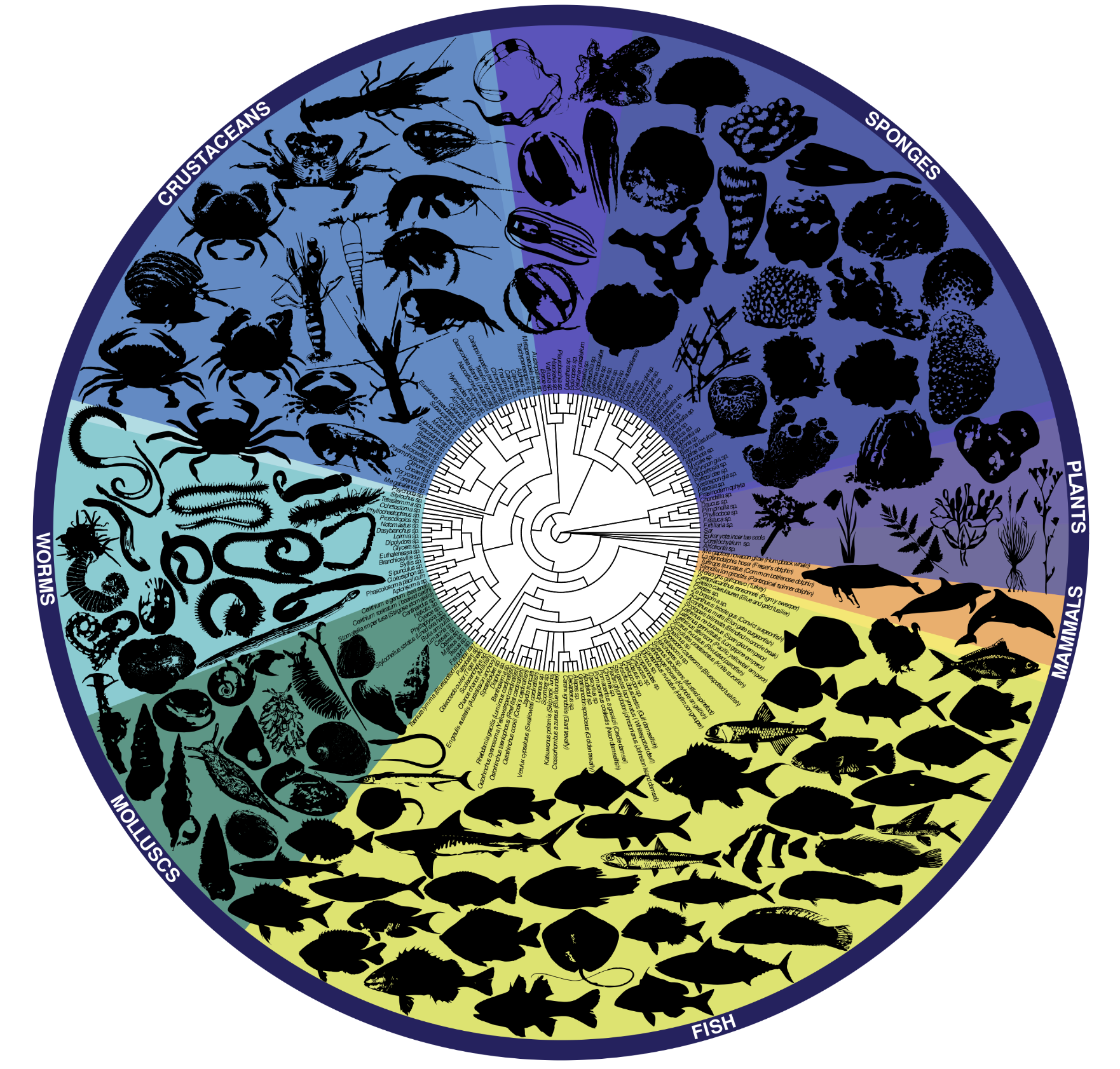
Fish, corals and other organisms leave tiny genetic traces in the water around them. By collecting and analysing seawater, scientists can identify many of the species present without needing to see, catch or disturb them.
Through a partnership with Parks Australia, Minderoo Foundation helped collect more than 6,000 samples from remote and hard-to-survey marine parks, including Christmas Island, Cocos Keeling Islands and Perth Canyon.
That work produced more than 257,000 marine vertebrate observations spanning more than 2,100 species. On average, each two-litre seawater sample returned 62 marine species detections.
That is a remarkable amount of information from a small amount of water.
Fish-stock assessments and traditional surveys remain essential but they can be expensive and don’t provide the broader tree-of-life ecosystem lens that is needed.
The science works, now let’s take it further.
The next challenge is collecting enough eDNA samples, from enough places, often enough to track meaningful change.
Dedicated research vessels remain vital, but their time is limited and the ocean is simply too large for specialist expeditions to monitor alone.
Minderoo is supporting a number of community-led eDNA initiatives that are shore-based and sample costal ecosystems across the globe, one example is UNESCO’s eDNA expedition programme. However, the open ocean remains a challenge.
That is why Minderoo and CSIRO are working together through the Globalising Marine Biodiversity Observations partnership, known as GloMBO, to develop automated eDNA sampling that can operate beyond traditional research voyages.
CSIRO brings the scientific and technical expertise behind the autosampler, collection methods and quality standards needed to collect samples at oceanic scales.
The shared goal is to make rigorous ocean monitoring possible aboard vessels already travelling the world’s oceans.
Five minutes. No scientist on board.
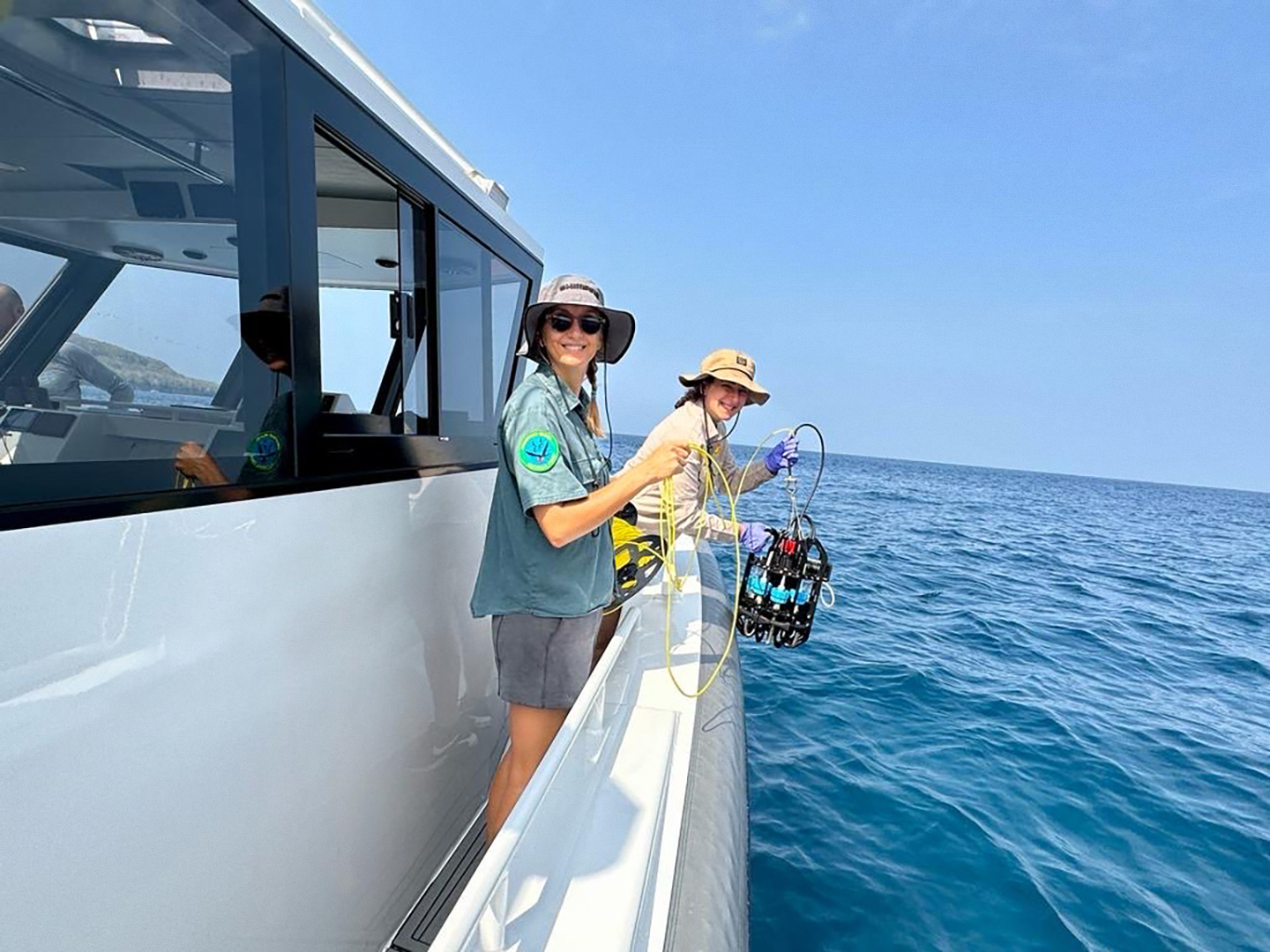
An automated sampler has now been installed aboard the private vessel Pangaea Ocean Explorer.
As the vessel travels, the sampler actively pumps and filters seawater and captures eDNA in replaceable cartridges. A trained crew member can change a set of cartridges in around five minutes, without requiring a scientist to remain on board.
This is what gives the technology real potential to scale.
Scientists call any vessel used in this way “ships of opportunity”. They are vessels travelling for another purpose that can collect useful scientific information along the way.
They do not need to change course or become floating laboratories. Once the equipment is installed, they can gather samples during journeys that were already going to happen.
If the system consistently produces high-quality samples at sea, the approach could be extended to many more private and commercial vessels.
Making every route count.
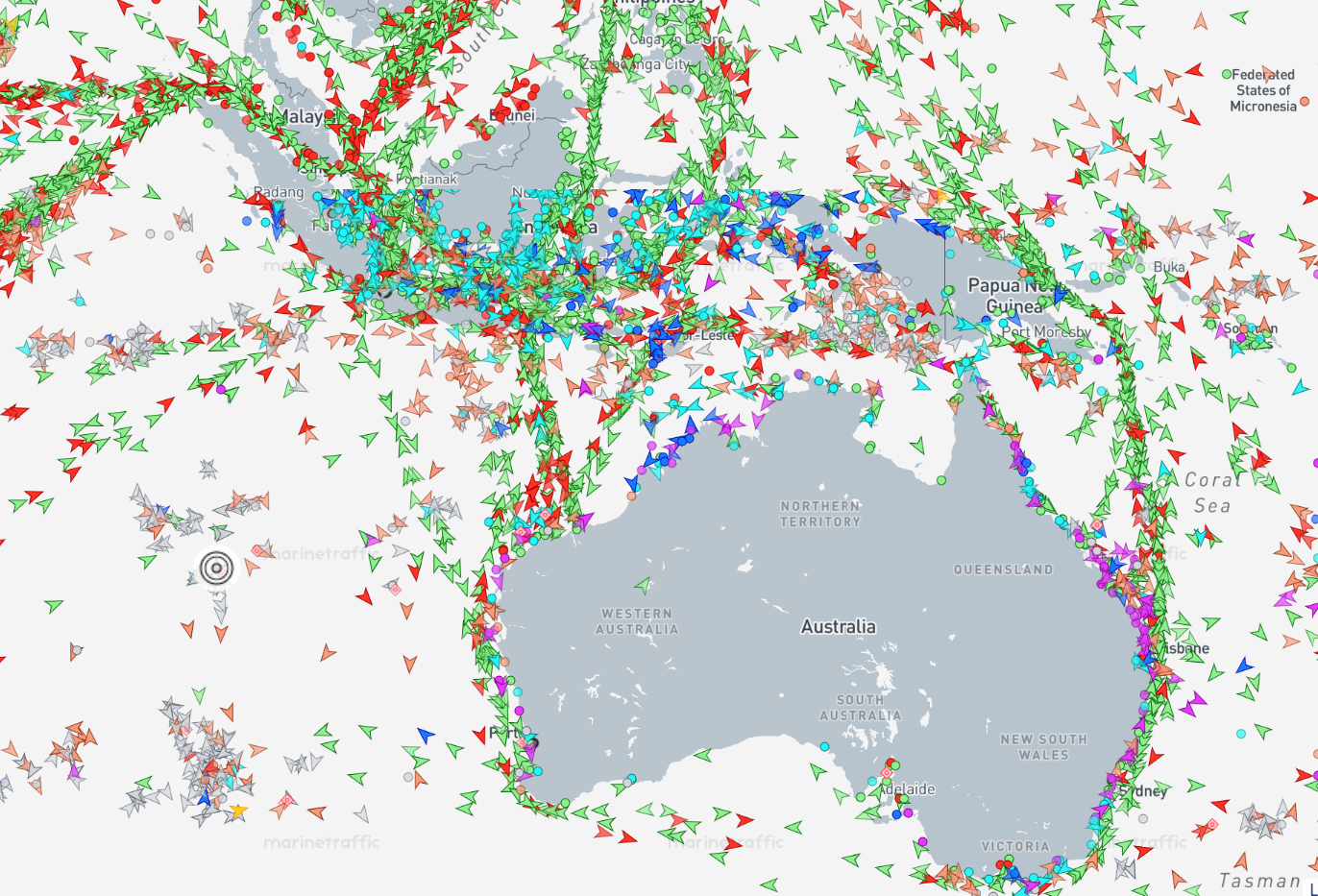
Thousands of vessels ply the world’s oceans every day, including routes through waters rarely sampled by scientists.
Right now, most of those voyages tell us very little about the biodiversity below them. That is a missed opportunity.
Private and commercial vessels could gather information from coastlines and offshore areas that receive little formal monitoring.
Together, those journeys could create a much wider and more continuous picture of marine life, helping scientists detect changes earlier, identify biodiversity hotspots, monitor fish biomass and give governments stronger evidence on ocean management. This is also true of the high seas – the global commons owned by everyone and nobody.
Collecting the samples is only part of the job. Scientists also need robust analysis and genomic reference libraries to identify the DNA found in the water.
Today, only a small proportion of known marine fish species have had their barcodes or genomes sequenced. Minderoo is working with partners to help build those resources and make them available to researchers, conservationists, government decision-makers and regulators.
When the solution does not exist, build it.
There is no ready-made global system capable of collecting marine eDNA at the scale required.
That is where philanthropy, catalytic capital and the private sector can make a practical contribution.
It is where Minderoo is making a difference. Working with CSIRO and partners, Minderoo is helping develop the technology, test it under real-world conditions and build a model that others can adopt.
Environmental DNA data collected by Pangaea is already available through a public dashboard that people can search and explore using AI tools. This roll-out of autosamplers onto ships of opportunity represents a step forward in how we map biodiversity.
Success will not be one sampler completing one voyage. It will be more vessels gathering reliable data, scientists seeing more of what is happening beneath the surface and decision-makers having better evidence before ecosystems are lost. Without action, we risk running down our ocean health and natural capital even further.
The ocean is too vast for scientists to monitor alone. The vessels are already moving. The opportunity is to make every route count. It’s time for better decisions.