As leaders gather for the Commonwealth Heads of Government Meeting (CHOGM), we look at the role the Commonwealth can play in a rapidly changing world, and how together with our partners we can back countries taking on shared challenges.
For many, the Commonwealth remains a link to the past. As countries emerged from the Second World War, it offered a familiar connection in a changing world – some still sharing a monarch, others becoming republics. Each set its own course, guided by its interests and aspirations for its people.
A changing world brought a renewed purpose.
For a time, the Commonwealth seemed to lose its sense of purpose as members looked increasingly to regional economic groupings rather than to one another. With global security seemingly predictable and economic liberalisation appearing assured, those regional ties took priority.
The Commonwealth Heads of Government Meeting came to resemble a family summer barbecue. Everyone was pleased to see one another, but most of the year’s activity happened elsewhere.
But, as the saying goes, everything old is new again – and the world has been turned on its head.
We are contending with two of the greatest challenges of our time, ecological collapse driven by climate change and a race to expand industrial capacity driven by artificial intelligence. In both, the great powers are seeking more and competing more, while other countries risk being left to live with the consequences.
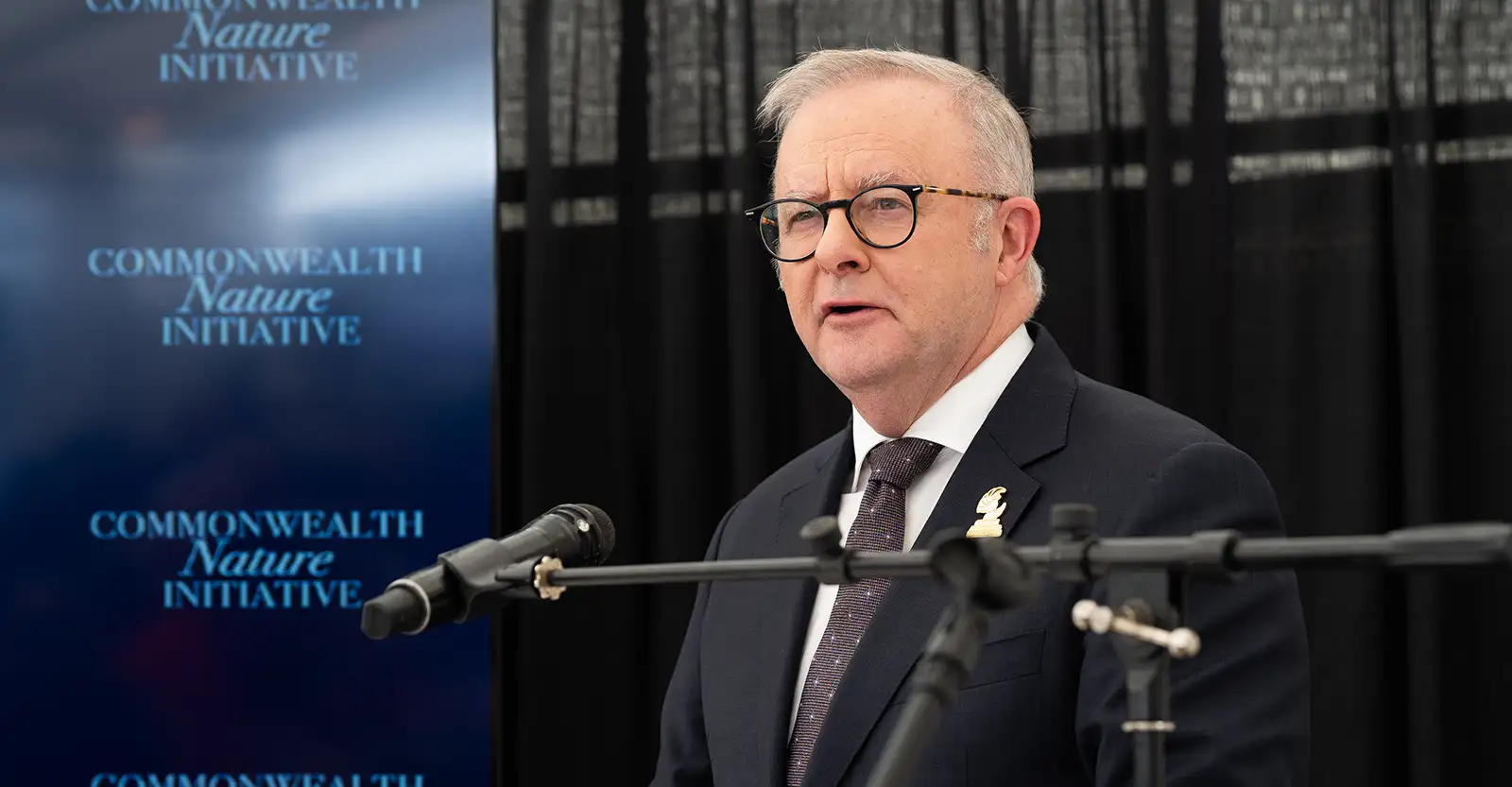
The importance of middle powers.
For the Commonwealth’s large liberal democracies, including Australia, Canada, New Zealand and the United Kingdom, the question is how to give practical expression to what many of us have concluded: we need an independent and values-based voice to the world, as Prime Minister Mark Carney called for at the start of this year to be the middle powers who exert their influence to preserve a world where might is not right, and where long-held norms and rules continue to hold.
As we look for ways to uphold those guardrails amid the growing influence of large countries, it is worth thinking beyond geography and immediate national interest. The Commonwealth offers a ready-made forum for leadership beyond regional blocs such as the Quad, outside the high-income “Group of” processes, and without relying solely on thematic bodies.
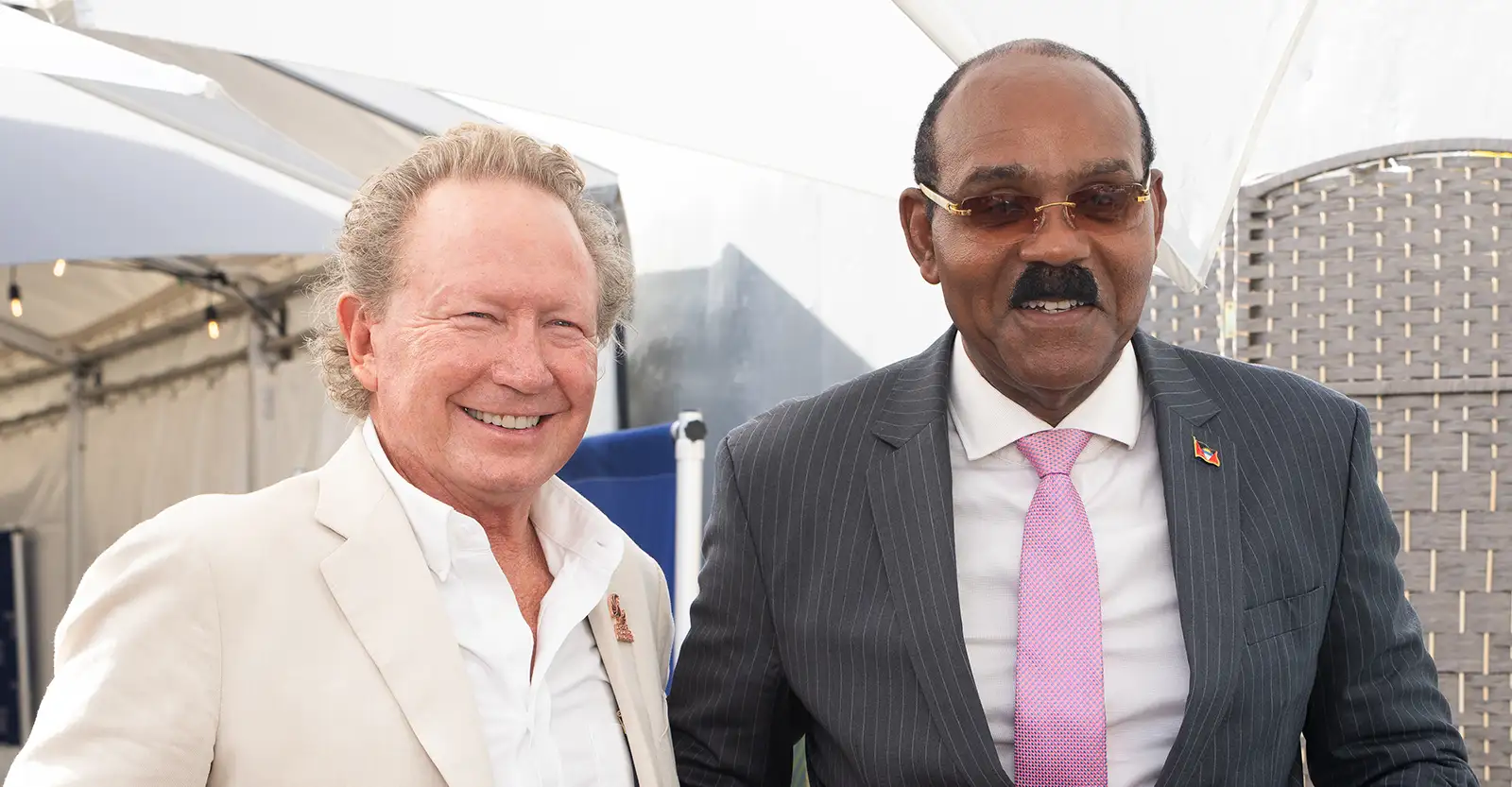
After all, the Commonwealth is the largest multilateral organisation outside the United Nations.
56 nations. One-third of the world population.
The Commonwealth spans regions, political systems and levels of development, covering 21 per cent of the world’s land area.
That diversity gives the Commonwealth both strength and moral clarity. It is not organised around a single geography, nor is it simply a club of wealthy countries. It is a free association of free nations, bound by friendship and by a shared interest in a world where international rules are respected, every country has a voice and established and emerging powers can find common cause.
The Commonwealth’s potential is therefore immense. It is not required to replicate the work of other multilateral institutions, nor should it seek to. Its value lies in making its own diverse coalition more effective: building agreement on practical, specific measures, strengthening the rules on which nations rely, and carrying that purpose into wider international forums.
At a time when power politics is putting those rules under pressure, the Commonwealth can be a guardrail for multilateralism and for the principle that might does not make right.
One of the first ways Minderoo is helping realise the Commonwealth’s potential is by investing in its capacity to protect the natural world.
The Commonwealth has an outsized stake in that work. Its members include some of the world’s most biodiverse countries: stewards of priceless and irreplaceable forests, reefs and natural carbon sinks.
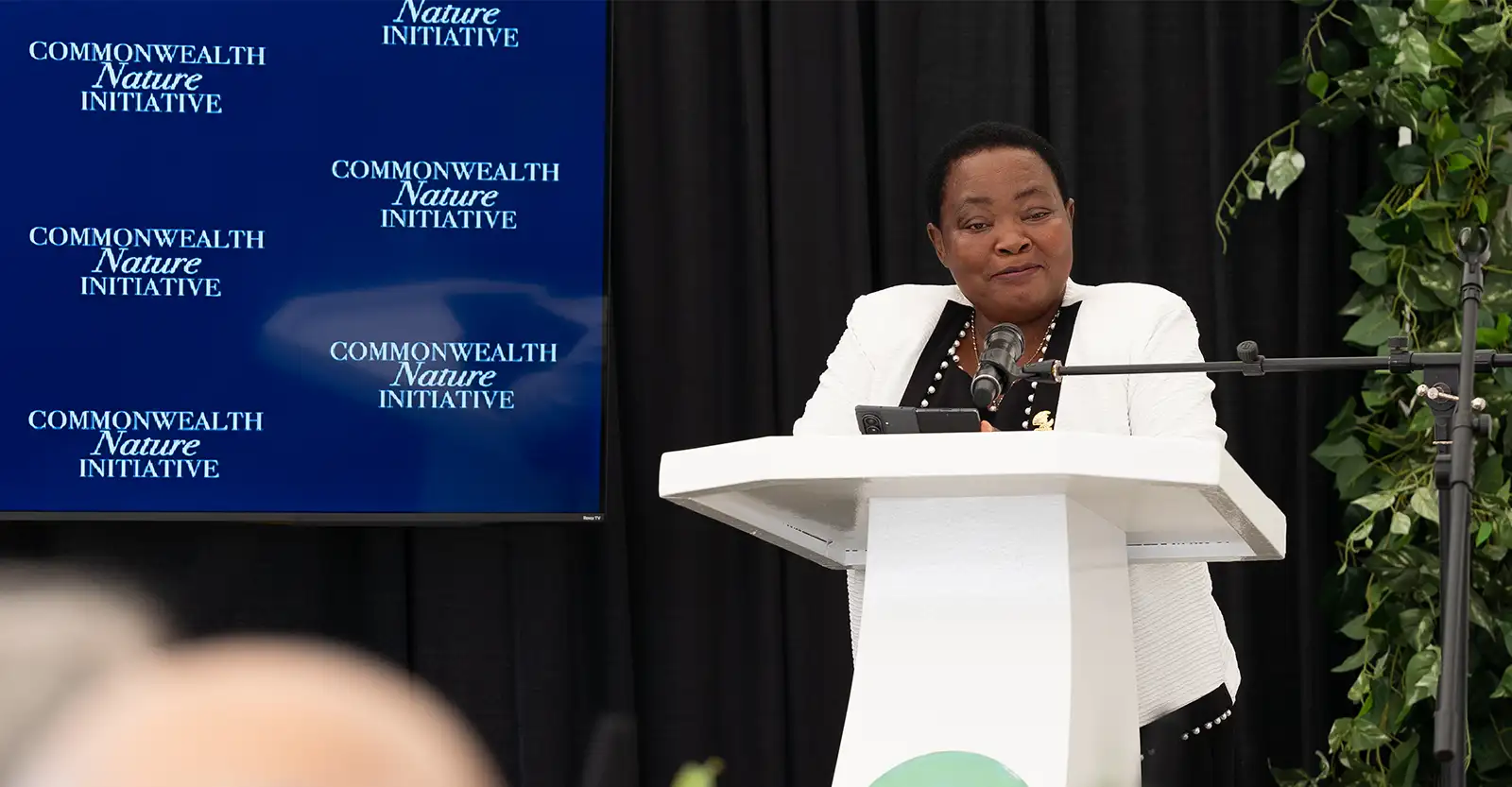
At CHOGM, Minderoo Foundation is significantly increasing its support. Dr Forrest will launch the Commonwealth Nature Initiative, a new programme supporting 30 x 30 conservation targets, alongside a range of global leaders.
In just over a month since a small group first met on the margins of UNGA in New York, the Initiative has mobilised nearly US$200 million to protect nature. It shows that multilateral cooperation can deliver results at scale, and that private capital remains firmly behind protecting the natural world when we act practically and through high-ambition coalitions.
Protecting 30 per cent of nature by 2030.
The Commonwealth Nature Initiative is supporting global efforts to protect at least 30 per cent of the world’s land and ocean by 2030.
Minderoo Foundation is also confirming a further £5 million partnership with the Commonwealth Secretariat to scale up blue economy work and strengthen the protection and sustainable use of the Commonwealth’s marine environments.
This work builds on Minderoo’s ongoing cooperation with Commonwealth members. In Kenya, we are working on the role middle powers can play in shaping the future of artificial intelligence; in Gabon, on protecting critical natural carbon sinks; and across the Pacific family, on combating cervical cancer. Dr Forrest is also working with Commonwealth countries to rally support for a high-ambition decarbonisation outcome in negotiations at the International Maritime Organization.
We continue to see the Commonwealth’s diversity as a source of strength. It is a key forum for countries to bring different experience and influence to a common purpose: protecting nature, defending international rules and ensuring that countries of every size can help shape the future.