How precision medicine, adaptive trials and AI are helping researchers bend time for people with brain cancer.
For people diagnosed with glioblastoma, time is the one thing they don’t have.
Long considered one of medicine’s greatest unresolved challenges, glioblastoma are fast-growing and aggressive tumours, and the most common type of primary brain cancer in adults.
On average, patients are expected to survive around 14 months, yet until recently it could take around nine months simply to sequence the DNA of their tumour.
By the time doctors fully understood the biology of the cancer, precious months had often already passed.
For decades, progress in treating brain cancer has lagged behind many other cancers. Its complexity, rarity and the difficulty of developing effective therapies meant it was often viewed as a cancer that lacked effective treatment options.
But what if the problem wasn’t just finding new treatments? What if researchers could fundamentally change the way brain cancer research itself was done?
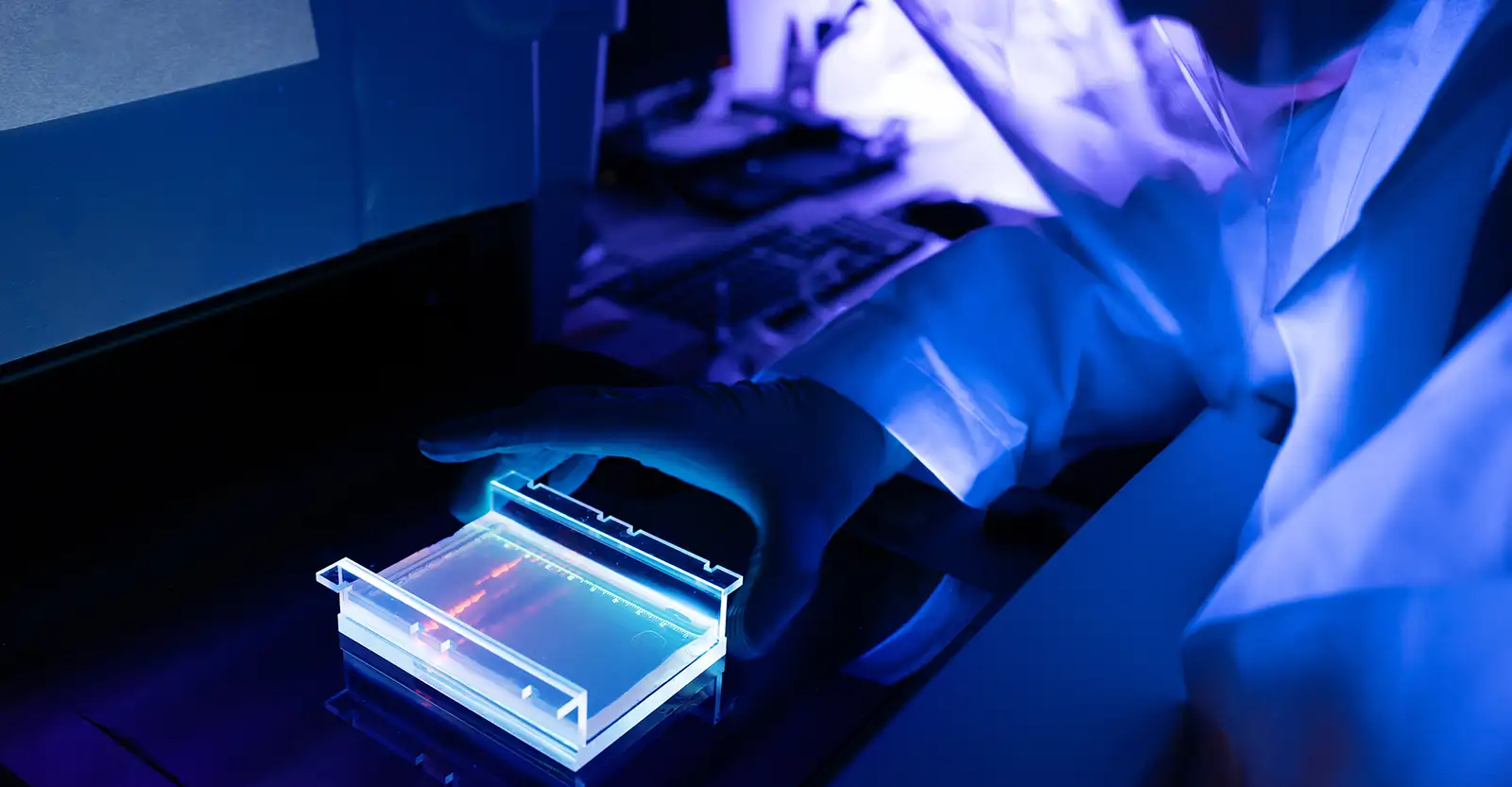
What is genome sequencing?
Genome sequencing is the process of reading a person’s complete DNA code. Essentially, it is the biological instruction manual that tells our cells how to function.
When it comes to cancer, researchers sequence the DNA of a patient’s tumour, often alongside their normal DNA, to identify the genetic mutations driving that individual’s cancer.
Those insights can help doctors determine which treatments are most likely to work for that particular patient.
Researchers have long known that glioblastoma is not a unanimous disease.
Two patients may both have the tumour, but the genetic mutations driving each could be completely different.
The challenge has always been understanding which mutations were present fast enough to be able to treat the tumours effectively.
While the potential of precision medicine has always been astonishing, the lack of practicality has meant that potential has seldom been realised.
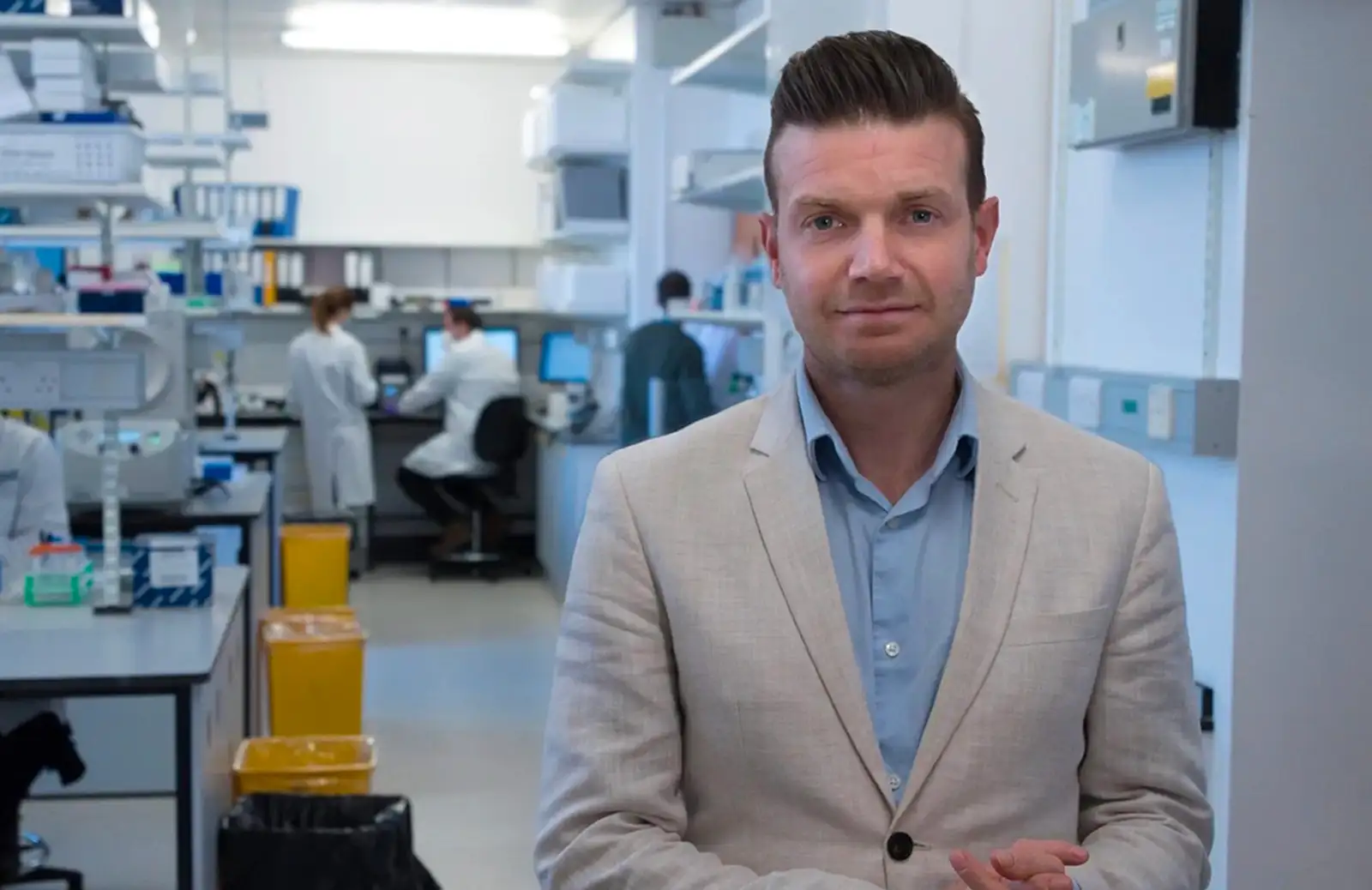
This premise became the foundation of the Minderoo Precision Brain Tumour Programme, a partnership with Cancer Research UK, led by Dr Richard Mair at the University of Cambridge.
For Dr Mair, the challenge wasn’t simply one of science. It was overcoming decades of pessimism.
He describes the historically slow progress on brain cancer research as being held back by four, overlapping ‘nihilisms’. The long-held beliefs that the disease was simply too difficult to understand or invest in.
Scientific nihilism
Brain tumours were considered so biologically complex that identifying meaningful treatment targets seemed almost impossible.
Surgical nihilism
There was a belief that surgery offered only limited benefit because glioblastoma infiltrates surrounding healthy brain tissue, though Dr Mair notes this mindset has changed significantly.
Pharmaceutical nihilism
The blood-brain barrier was seen as preventing medicines from effectively reaching tumours.
Commercial nihilism
Pharmaceutical companies often struggled to justify the cost of developing new drugs for such a small patient population.
Rather than accepting those assumptions, Dr Mair and his team set out to dismantle them.
- Dr Richard Mair
What followed was the creation of an entirely new system, one that redesigned the pathway from surgery through to clinical decision-making.
Tumour tissue was collected during surgery and frozen immediately, the DNA extracted and genomes sequenced and analysed, before the results were reviewed by a multidisciplinary team and returned to treating clinicians.
Just as importantly, the team built the clinical systems and NHS (National Health Service) pathways and partnerships needed to make that process routine.
The results were profound.
The same genome sequencing that had once taken around nine months could now be completed in a mere three weeks.
For the first time, doctors could receive detailed genomic information while patients could still benefit from it.
But this ground-breaking progress alone didn’t move the needle for patients.
The next question became:
Once we know – with enough time to act – what mutations are present, how do we determine which treatment is most likely to work?
That led directly to the next phase of research.
Building on the previous project, Dr Mair joined forces with clinical trial design expert, Professor Juanita Lopez, Consultant Medical Oncologist in Drug Development at the Royal Marsden Hospital and the Institute of Cancer Research, London (ICR), to co-lead the 5G Platform Trial.
Did you know? The Institute of Cancer Research, London sponsors the RUBY, PEARL and EMERALD clinical trial arms in the 5G program.
While Professor Lopez was interested in seeing whether it was possible to trial existing targeted medicines in patients with known biomarkers in real time, Dr Mair had found a way of getting those targets identified in a clinically actionable time.
This synergy set them on a journey to challenge what was possible in brain cancer research.
Traditional clinical trials typically evaluate one medicine at a time.
If results are inconclusive, researchers often need to design an entirely new trial, secure fresh approvals, recruit new patients and begin again, a process that can take years.
For people living with aggressive brain cancer, those delays can be devastating.
The 5G Platform Trial takes a fundamentally different approach.
Using the genomic information generated through the Precision Brain Tumour Programme, patients are matched with therapies most likely to target the specific mutations driving their cancer.
Rather than testing one treatment in isolation, the platform can evaluate multiple targeted therapies simultaneously.
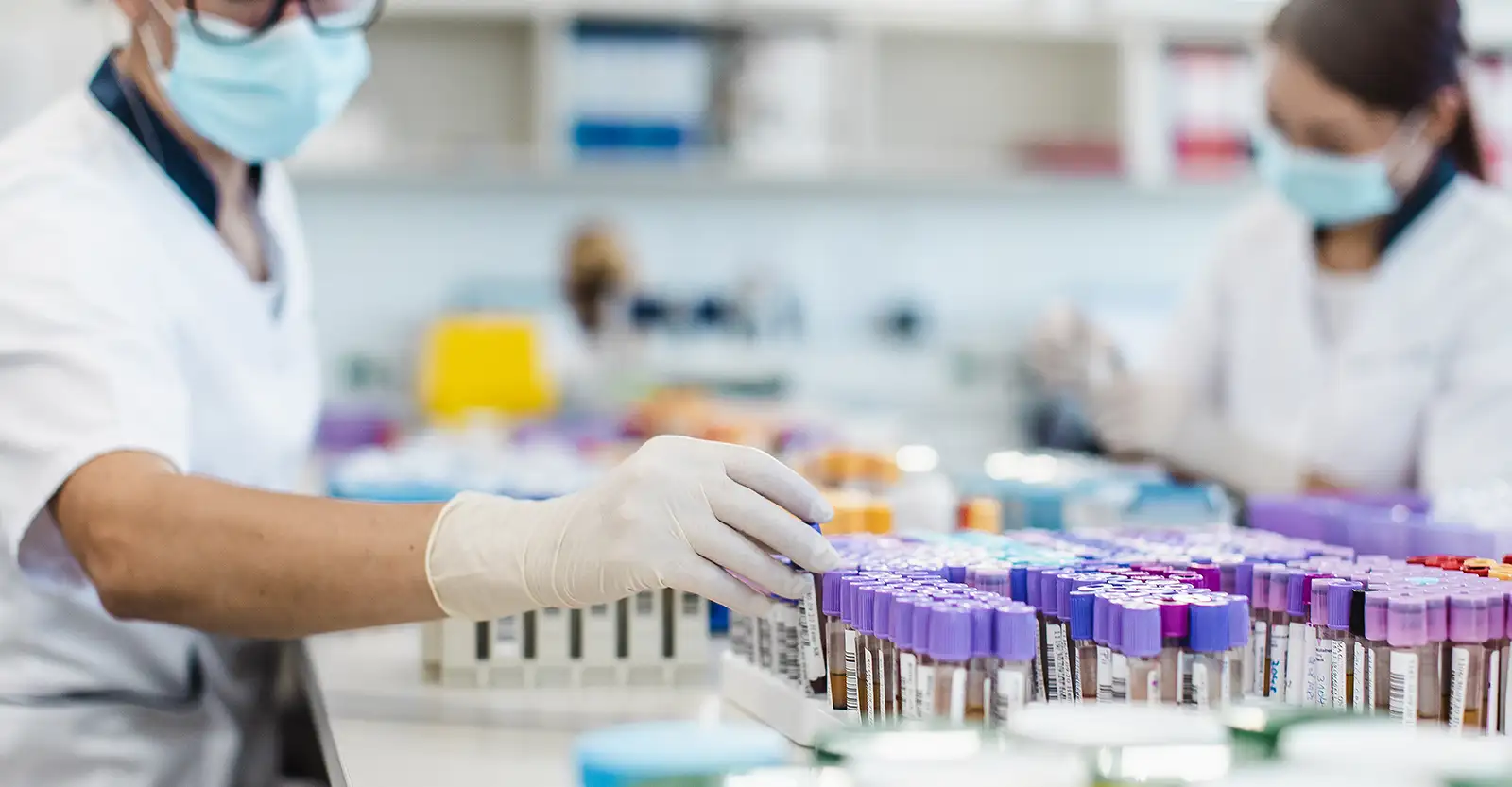
Just as importantly, the trial is designed to adapt as evidence emerges.
Professor Lopez describes this as “bending time”.
Researchers can learn continuously, refine the trial and introduce new therapies without rebuilding the entire system from scratch.
“It’s about changing the culture and the regulatory permissions around what we do. That’s the ‘bending time’ part. We’ve worked closely with regulators, statisticians and other experts to develop new approaches that allow us to learn from data in real time while maintaining scientific rigour,” says Professor Lopez.
The result is a faster, more flexible model for evaluating treatments for one of the world’s most difficult to treat cancers.
“What we’ve been able to show is that this is a patient population in which clinical trials can be successfully conducted – one that is eager to be involved and where there is genuine potential for benefit. Making that a reality has been incredibly gratifying,” says Dr Mair.
Artificial intelligence is helping accelerate this work. It helps interpret enormous volumes of genomic, imaging and pathology data that would be impossible to analyse manually at scale.
Those insights can help researchers identify patterns, better understand tumours and support treatment decisions.
But as Dr Mair explains, AI is only valuable if clinicians understand and trust the outputs. Its role is not to replace human judgement, but to strengthen it.
Professor Lopez makes a similar point.
Technology alone cannot transform healthcare.
Without redesigning clinical trials, changing regulatory approaches and creating systems capable of acting on evidence more quickly, even the most sophisticated AI cannot shorten the path between discovery and treatment.
The innovation lies in bringing all of those elements together.
Professor Lopez notes that philanthropy played a critical role in making that possible.
Minderoo’s early investment enabled researchers to build the infrastructure, engage regulators and demonstrate an entirely new approach before more traditional funding bodies came on board.
“Minderoo gave us the upfront funding to do the legwork. We had lots of pre-meetings with the regulatory authorities in the UK to secure approval, and we had all of that in place before we went to Cancer Research UK (CRUK), who came in with matched funding in year two,” says Professor Lopez.
In other words, philanthropic funding provided the opportunity to prove an unconventional idea before it had widespread acceptance.
Likewise, it helped demonstrate the power of being able to challenge long-held assumptions about what is possible.
While glioblastoma has traditionally been regarded as one of the hardest cancers to treat, Dr Mair believes the lessons being learned today could ultimately make brain cancer an exemplar for how precision medicine is delivered in the future, both for rare cancers and rare subtypes of common cancers.
“And I think we want to do much more. We feel we’re still very much at the beginning of this journey.
This is one example of a broader shift in how Minderoo approaches its projects, in this case for cancer research.
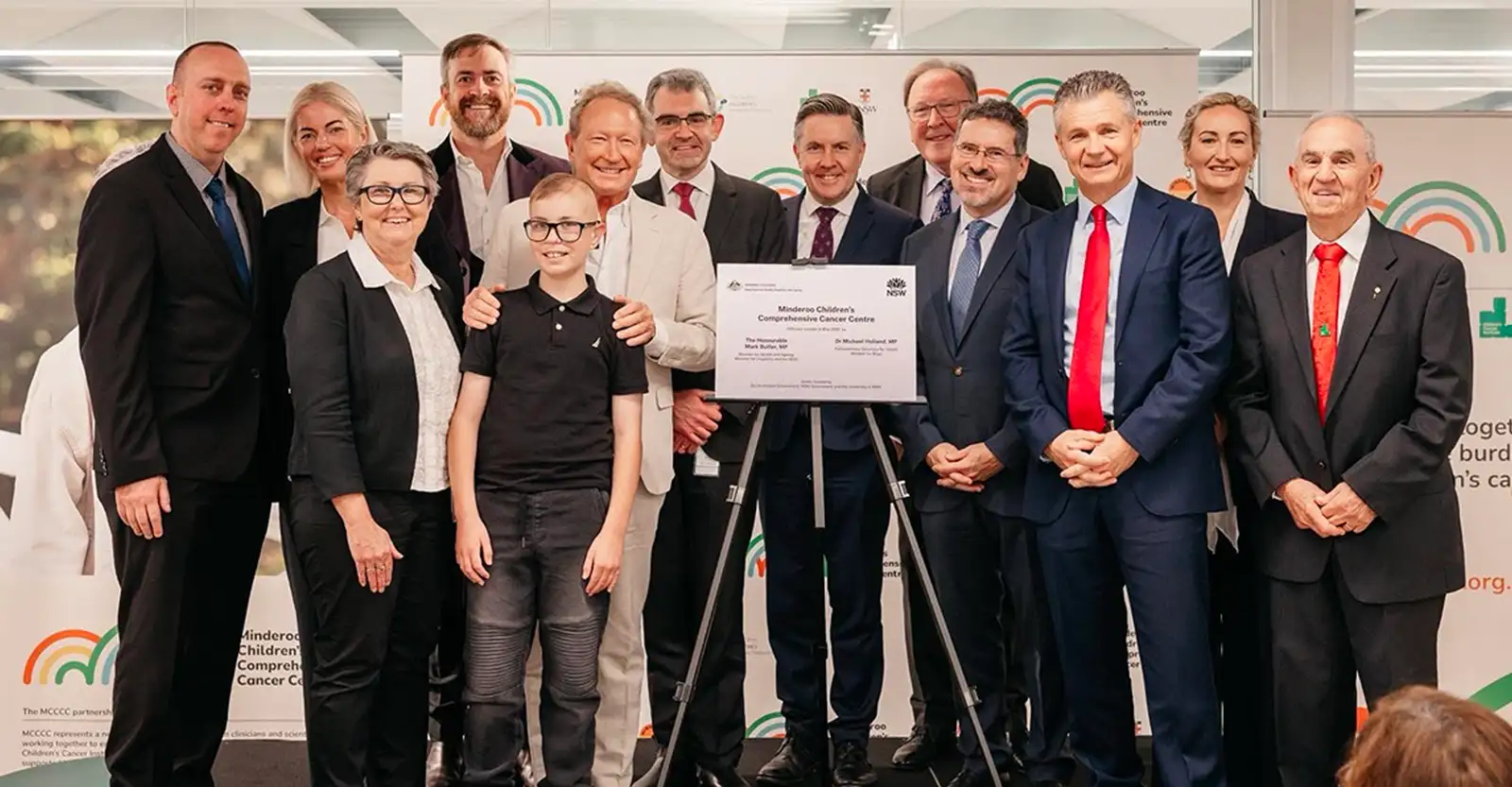
From adult brain cancer to the newly opened Minderoo Children’s Comprehensive Cancer Centre, we are investing in partnerships, technologies and bold ideas that shorten the path between discovery and treatment – and between problem and solution.
Because for people living with diseases where time matters most, every day counts.
Sign up to our newsletter
Want to stay in the loop on our Impact Mission, Communities, Gender Equality, and Natural Ecosystems work?
By signing up with your email, you agree to Minderoo Foundation’s Privacy Policy.