The village still matters. But a voice alone is not enough.
by Minderoo Foundation’s Communities Executive Director, Penny Dakin
When I first wrote about this work, I began with a familiar, enduring truth: it takes a village to raise a child.
This week, as we mark World Children’s Day, that reflection feels more vital than ever. The week asks us to reflect on every child's rights, safety, and wellbeing. Yet, if we are serious about ensuring all children in Australia reach their full potential, we must look at the health of the villages surrounding them.
At Minderoo Foundation, we are committed to building a bright future, a future where people and communities thrive, everyone has opportunity, and lasting systems change takes root. In Communities, our focus is ensuring children grow up with stability, connection, and hope.
As we release this report on Activating Civic and Community Participation, one fundamental question remains:
What does it take for people to have a genuine stake in that village?
Over the past year, we set out to understand what enables everyday people to connect, contribute, and shape the places they share. We collaborated with three partners, The Good Shift, the Centre for Public Impact, and The Behaviour Change Collaborative, and engaged more than 400 people across regional centres, outer suburban communities, and First Nations networks.
One resounding finding sat at the heart of our inquiry: participation is rarely held back by a lack of motivation.
Every day, parents, carers, and neighbours want to show up for their local community. But whether they can depends on the realities of daily life, time poverty, economic stress, accessibility, complex compliance rules, and whether they feel safe and welcome.
Participation is not an optional social activity or a program output. It is core community infrastructure.
Like roads, local parks, schools, and health clinics, the social fabric that connects us, local playgroups, community hubs, neighbourhood houses, Aboriginal Community Controlled Organisations (ACCOs), and trusted local connectors, requires ongoing maintenance, investment, and stewardship. When this infrastructure is strong, families are more resilient, protective factors for children increase, and communities thrive. When it is allowed to erode, social isolation and polarisation deepen, placing a heavier burden on services and fracturing community wellbeing.

Inviting people into a consultation and listening to their stories matters. But listening is only ever a starting point.
A lesson of our report is that participation must mean more than having a voice. People need a stake.
A genuine stake means moving beyond being consulted on decisions that have already been made elsewhere. It means communities having real decision-making power, authority over resources, and shared ownership of physical and economic assets. Whether through community-owned land, local social enterprises, or participatory governance, shifting from “voice” to “stake” gives people agency in their future.
Strong participation cannot happen while resources and decisions remain tightly held in central offices. If we want community-led change, we must back the local people and organisations who already hold the trust and legitimacy to lead.
For funders and policymakers, this research sends a clear message: how we fund matters as much as what we fund.
Short-term, compliance-heavy grant cycles choke grassroots momentum. They force local activators to spend energy managing administrative requirements, like reporting on metrics, and jumping between single-year project grants.
At Minderoo, building a bright future means taking responsibility for whether change actually lasts and that has meant rewiring our own funding practices:
- Backing partners for the long term: Moving away from transactional, short-term project grants toward flexible, multi-year funding.
- Funding the connective tissue: Treating connectors, community builders, and backbone organisations as essential community infrastructure, not overheads.
- Starting with what already exists: Reinforcing the cultural networks, local hubs, and community groups that are already trusted, rather than funding duplicate external programs.
- Adopting “Pay What It Takes”: Ensuring organisations are resourced for the real operating costs, insurance, and capabilities they need to sustain themselves safely.
This work matters far beyond civic scorecards.
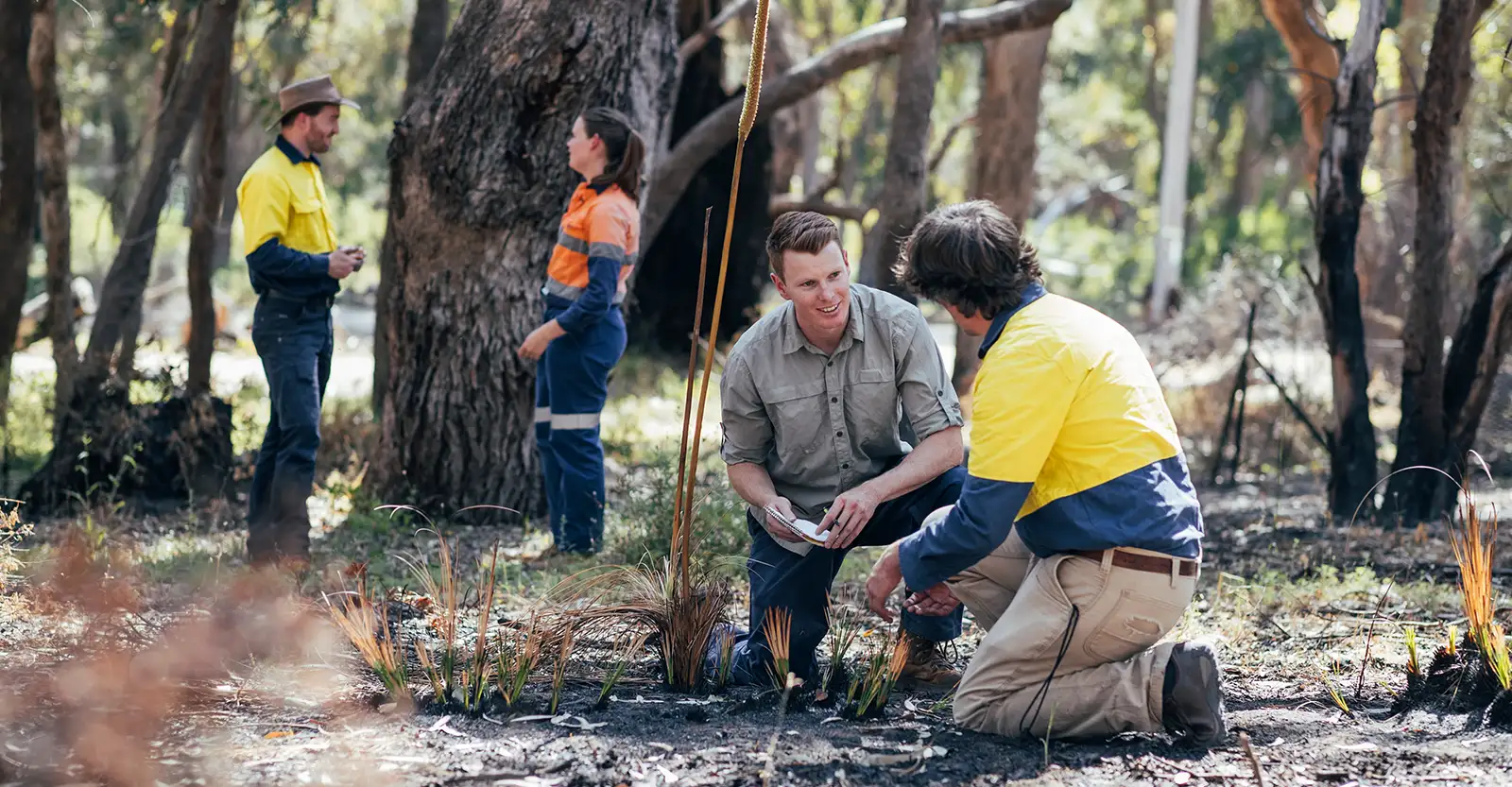
In an increasingly complex, fragmented, and fast-changing world, social cohesion is not built by avoiding difference.
It is built when people have everyday opportunities to do things together, bridge divides, solve local challenges, and navigate disagreements in shared spaces.
When a village has the relationships, resources, and authority to respond locally, children grow up in safer, more cohesive environments where they can truly thrive.
The village still matters. Our collective challenge now is to dismantle the barriers that hold communities back and ensure our systems give them the power, resources, and infrastructure to shape that village for themselves.
Explore the evidence
This report reflects the voices, stories, and expertise of hundreds of practitioners, community researchers, and everyday Australians. We share it as an open resource for funders, policymakers, and communities working to strengthen community life.
Read the ACCP Learning Summary Report
The primary synthesis of the Activating Civic and Community Participation (ACCP) project, bringing together findings from research, community engagement and partner contributions to provide an evidence-based understanding of the conditions that enable people to participate in community and civic life, and the implications for communities, philanthropy, policymakers and practitioners.
Other resources
For those who want to dive deeper, we’ve also brought together the individual contributions from our three partners, alongside the broader resources and artefacts developed through the project.
Literature and Evidence Review
The Good Shift
A review of Australian and international evidence on community and civic participation that provides the research foundation for the ACCP project and situates its findings within the broader evidence base.
Thematic Summaries
The Good Shift
Short, accessible summaries of the ACCP findings across key themes, including belonging, leadership, trust, participation and community action, helping readers quickly understand the findings most relevant to their interests and explore how they apply in different contexts
Investment Opportunity Framework
The Good Shift
A practical framework that translates the ACCP findings into clear investment opportunities, helping funders and partners identify where and how they can support the conditions that enable stronger community and civic participation.
Community Research Artefacts
The Good Shift
A collection of stories, reflections, visual artefacts and insights developed by community researchers working in diverse communities across Australia, capturing lived experience perspectives on participation, belonging, leadership and community action.
The Behaviour Change Collaborative Report
The Behaviour Change Collaborative
A specialist exploration of participation through a behavioural and systems change lens, highlighting opportunities to strengthen participation by addressing behavioural barriers, motivations and enabling conditions.
Wayfinding Guide
Centre for Public Impact
A practical navigation tool designed to help practitioners, funders and community leaders explore ACCP findings, concepts and opportunities for action, and identify the insights and approaches most relevant to their context.
Glossary of Elements
Centre for Public Impact
A plain-language guide to the concepts, conditions and participation elements identified through the ACCP project, helping readers develop a shared understanding of the language and ideas used throughout the research and associated resources.